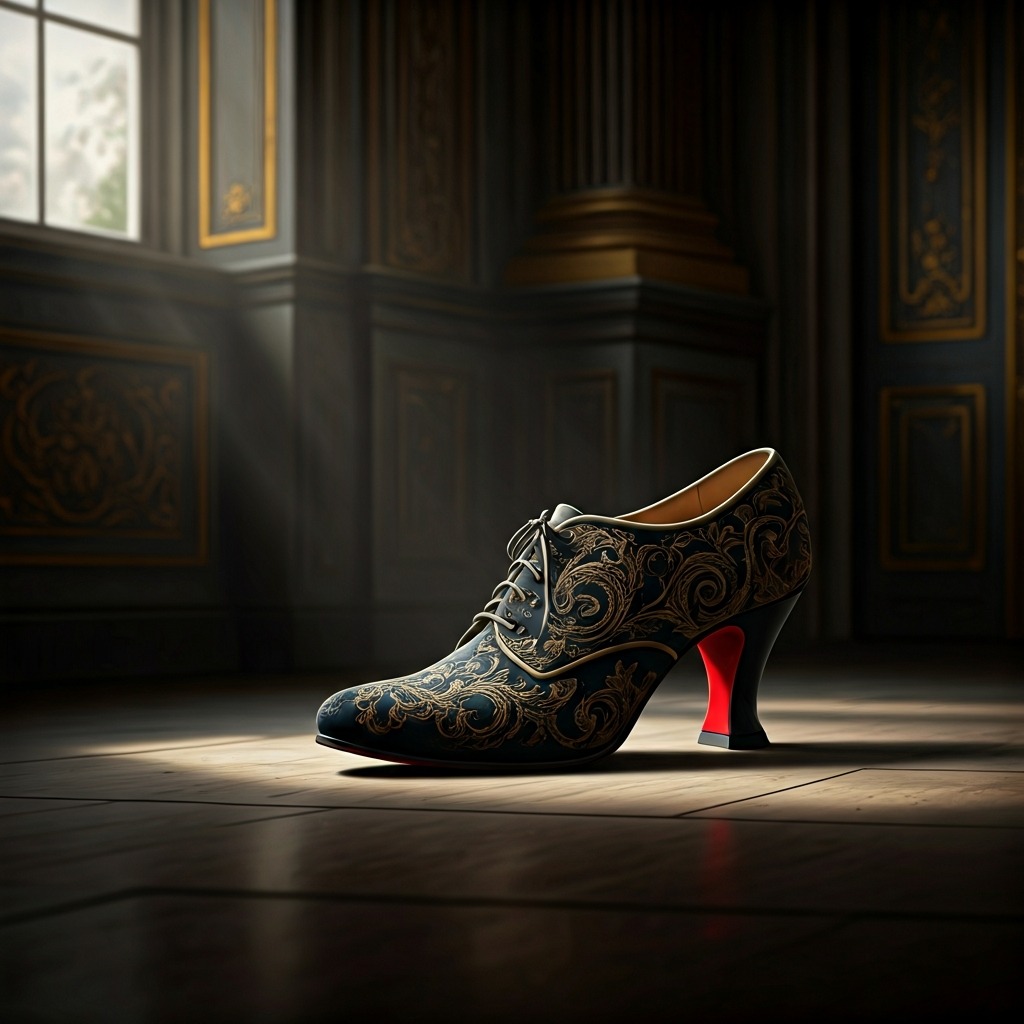
Today, the high heel is the ultimate symbol of hyper-feminine glamour. A five-inch stiletto clicking across a marble floor commands attention, projecting elegance, beauty, and poise. But trace the shadow of that slender arch back through time, and you uncover a much darker, distinctly masculine secret. The original high heel wasn’t designed for the runway. It was soaked in blood, engineered for war, and strictly reserved for men.
A Weapon Hidden in Plain Sight
To find the true genesis of the heel, we must travel far beyond the cobbled streets of Paris or Milan, back to the battlefields of 10th-century Persia.
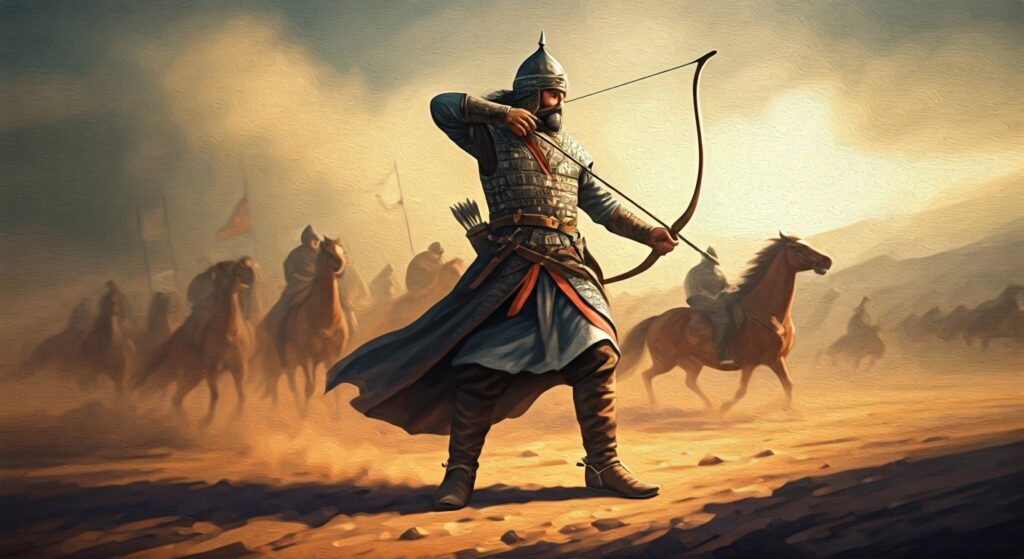
In the ancient world, the Persian cavalry was a terrifying, unstoppable force. Their secret weapon wasn’t just forged in steel—it was a masterful piece of footwear engineering. The first high heels were never meant for walking; they were highly practical riding gear. The pronounced heel was specifically carved to hook securely into a horse’s stirrup.
This ingenious locking mechanism allowed Persian soldiers to stand completely upright in their stirrups while at a full, thundering gallop. Anchored by their heels, they possessed the perfect balance required to draw their bows and rain arrows down upon their enemies with devastating accuracy. The high heel was, quite literally, a tool of military destruction.
So how did a Persian weapon of war infiltrate the elite, velvet-draped wardrobes of Europe?
The Contagion of ‘Persiomania’
At the dawn of the 17th century, Shah Abbas I of Persia was looking to expand his military might. Hoping to forge alliances against the formidable Ottoman Empire, he dispatched a wave of diplomatic missions to Europe. When these Persian diplomats rode into European courts, they brought their striking, heeled riding shoes with them.
European aristocrats took one look and became utterly obsessed. A fierce wave of “Persiomania” swept through the continent. European men eagerly adopted the high heel, viewing it as the ultimate symbol of rugged masculinity and martial prowess.
But there was a catch. European cities weren’t paved with gold; they were choked with mud, filth, and uneven cobblestones. Wearing heels in these conditions was ridiculously impractical. Yet, that was exactly the point. By wearing shoes that made it nearly impossible to walk long distances or perform manual labor, an aristocrat was signaling to the world that he was fabulously wealthy. The sheer impracticality of the shoe became the ultimate flex of elite social status.
The Original Crimson Soles
Centuries before modern designers trademarked the red-soled status symbol, the most iconic figure in the history of the male heel was King Louis XIV of France.
The Sun King was famously diminutive in stature, but what he lacked in height, he made up for in sheer, unadulterated fashion drama. Louis XIV popularized towering shoes featuring brilliant red heels and soles. The crimson dye was incredibly expensive to produce and carried a clear martial undertone—it was the color of blood, power, and dominance.
Eventually, Louis took his obsession a step further, officially decreeing that only members of his royal court were permitted to wear red heels. If you looked at a man’s feet and saw crimson, you instantly knew he held the King’s favor. To wear them without permission was a dangerous affront to the crown.
The Great Purge of Menswear
By the 1630s, the heel began to cross gender lines. European women, looking to project the same power and authority as their male counterparts, adopted high heels as part of a broader trend of incorporating masculine elements into their wardrobes. For several decades, the high heel was a fiercely unisex weapon of fashion.
But the Enlightenment was looming, bringing with it a dramatic cultural earthquake known as the Great Male Renunciation. In the 18th century, men’s fashion abruptly pivoted toward rationality, practicality, and subdued, dark tailoring. Frills, silks, and heels were suddenly deemed foolish and irrational. Men abandoned the high heel entirely, leaving it behind in the dust of history.
Meanwhile, women’s heels took a different evolutionary path. Stripped of their military utility, they became narrower, far more ornate, and strictly associated with femininity.
The next time you see a pair of stilettos, look past the glamour. Hidden in that slender arch is a fascinating testament to how battlefield utility, military innovation, and the vanity of European kings unexpectedly shaped the history of style.