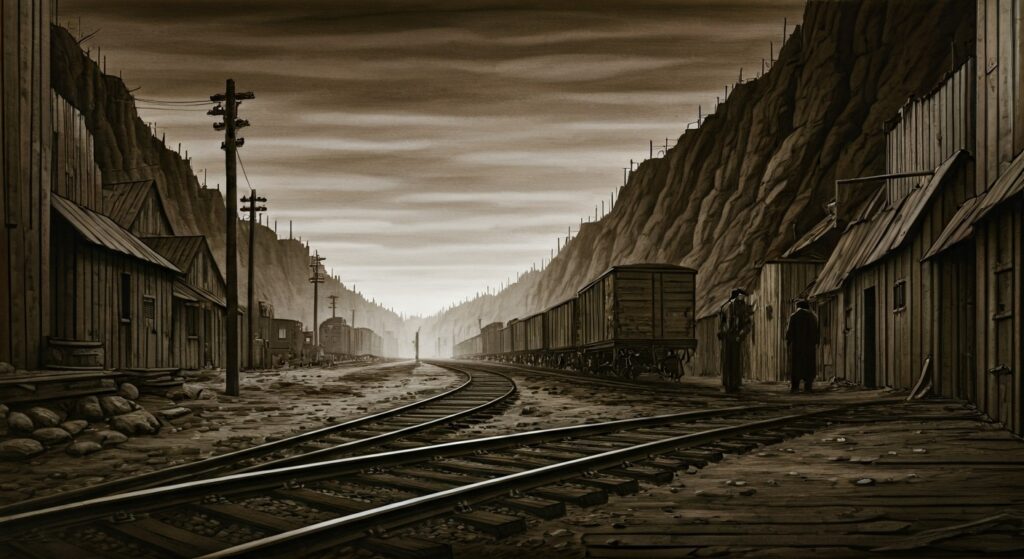
In the soot-choked shadows of Depression-era Cleveland, a predator stalked the forgotten. Between 1935 and 1938, the city was gripped by an economic despair that birthed Kingsbury Run—a sprawling, labyrinthine shantytown of makeshift shacks and desperate souls. It was a chaotic web of railway tracks where drifters, sex workers, and the working poor scraped by. And it was the perfect hunting ground for a monster.
The terror began quietly, but the killer’s signature was horrifyingly loud. Dubbed the Mad Butcher of Kingsbury Run, or the Cleveland Torso Murderer, this phantom claimed at least twelve official victims, though historians suspect the true body count was much higher.
The Devil’s Anatomy
The Butcher didn’t just kill; he dismantled. Victims were decapitated and dismembered with terrifying, surgical precision. The cuts were so flawless, so methodical, that investigators were left chilled by the killer’s anatomical expertise. The bodies were often washed completely clean and drained of blood before being discarded like refuse.
Because the heads were rarely found, identification was nearly impossible. To this day, only two victims—Edward Andrassy and Florence Polillo—were definitively identified, with a third, Rose Wallace, remaining a probable match. The rest were relegated to the grim anonymity of the morgue, their identities stolen as ruthlessly as their lives.
The Untouchable’s Ultimate Nightmare
Enter Eliot Ness. The legendary, squeaky-clean lawman famous for taking down Al Capone had just arrived in Cleveland as the city’s new Safety Director. Ness was the rockstar of his era, a beacon of justice in a corrupt world. But the Mad Butcher was about to become his undoing.
The killer seemed to know exactly who was hunting him, actively taunting Ness and his dedicated team. The Butcher began placing body parts in highly visible, brazen locations—including right within sight of the Cleveland mayor’s office. Despite massive police sweeps, relentless interrogations, and the full weight of Ness’s formidable reputation, the authorities were continually thwarted by a ghost.
A Desperate Inferno
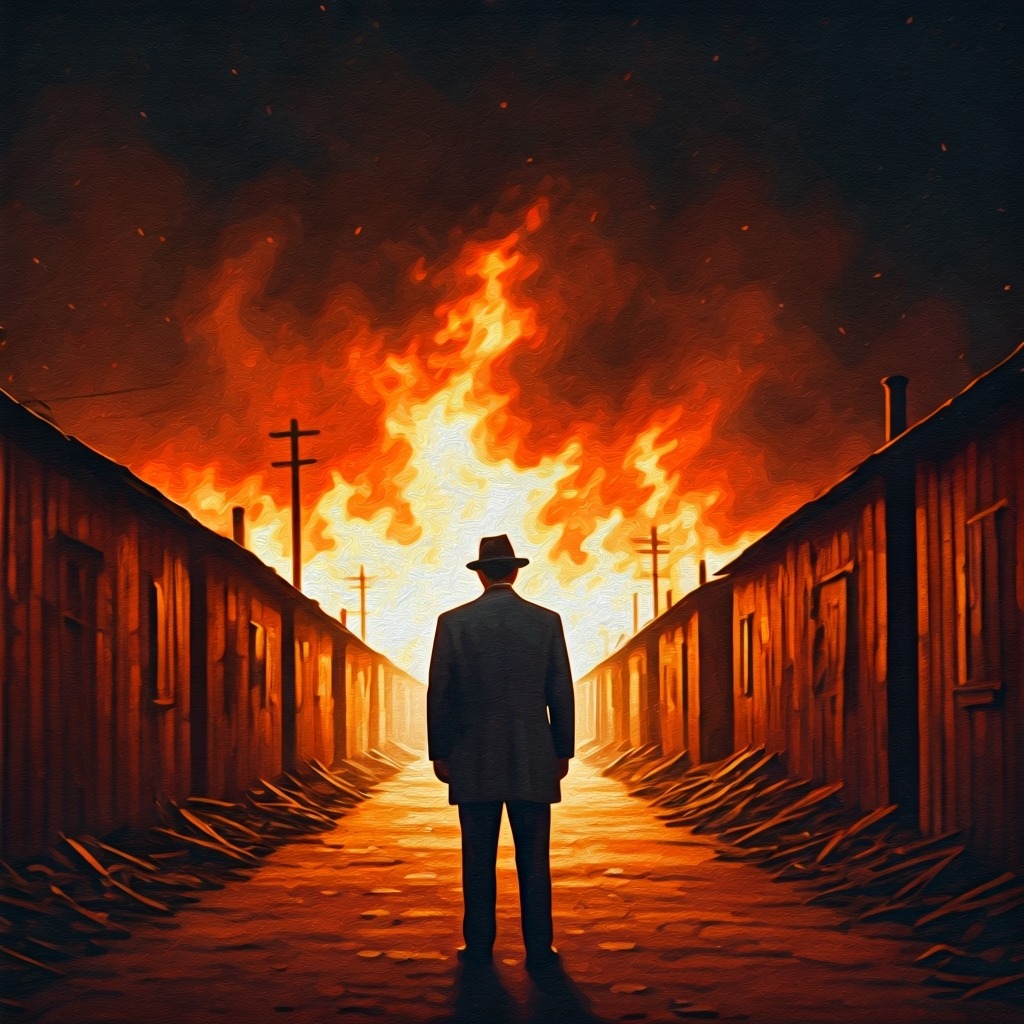
By 1938, the pressure to catch the Mad Butcher had reached a fever pitch. Ness, desperate to stop the slaughter and eliminate the killer’s playground, made a highly controversial decision. In a move that shocked the city, he ordered his police force to raid and burn down the Kingsbury Run shantytowns.
Flames consumed the makeshift homes, leaving hundreds of destitute people entirely homeless. While the official Torso Murders seemingly stopped shortly after the fires, the public backlash against Ness was swift and brutal. The man who had once been hailed as a national hero saw his reputation irreparably tarnished in the ashes of Kingsbury Run.
The Surgeon and the Scapegoat
So, who was the Mad Butcher? The suspect list is a dark descent into political corruption and tragic scapegoats.
The most compelling suspect was Dr. Frank Sweeney, a highly skilled surgeon who suffered from severe alcoholism and mental illness. Sweeney wasn’t just any doctor; he was the cousin of Congressman Martin L. Sweeney, one of Eliot Ness’s most vocal political rivals. Ness had Dr. Sweeney secretly interrogated, and according to reports, the surgeon failed two early polygraph tests. Yet, he was never officially charged. Was it a lack of direct physical evidence, or did powerful political connections keep him out of handcuffs?
Sweeney eventually committed himself to a veterans’ hospital. From the confines of the asylum, he allegedly sent Ness mocking, taunting postcards for the rest of his life—a chilling epilogue to a bloody saga.
Then there was Frank Dolezal, a tragic figure caught in the crossfire. Arrested in 1939, Dolezal confessed to the murder of Florence Polillo. However, it was widely believed his confession was beaten out of him by desperate police officers. Before he could ever see a courtroom, Dolezal died under highly suspicious circumstances while in police custody. Today, modern consensus agrees that Dolezal was nothing more than a convenient scapegoat, sacrificed to appease a terrified public.
The Ghosts of the Rust Belt
The Cleveland Torso Murders remain one of the most baffling unsolved serial killer mysteries in American history. It is a story that has everything: a terrifying villain, a fallen hero, political cover-ups, and a haunting setting.
The Mad Butcher vanished into the ether, leaving behind a legacy of terror and a stark glimpse into the dark underbelly of Depression-era America. The ghosts of Kingsbury Run are still out there, lingering in the rust and shadows, waiting for answers that will likely never come.