There is a highly guarded, centuries-old secret sitting inside your bathroom cabinet right now.
Long before it was a trendy buzzword printed on the labels of modern cosmetics, the unassuming lotion on your counter was the center of one of the greatest, most fiercely protected monopolies in ancient history. This mysterious substance was the ultimate power play for ancient royals, a literal lifesaver in the world’s most unforgiving climates, and the cornerstone of a sprawling economic empire.
Forget what you think you know about your daily moisturizer. It is time to uncover the blood, sweat, and royal intrigue behind the savanna’s most coveted treasure: shea butter.
The Pharaoh’s Smuggled Glow
If you think modern beauty standards demand extreme measures, they pale in comparison to the lengths ancient queens of the Nile would go to secure their regimens. Thousands of years ago, long before the convenience of global supply chains, a strange and luxurious fat was being smuggled across the treacherous, sun-baked trans-Saharan trade routes.
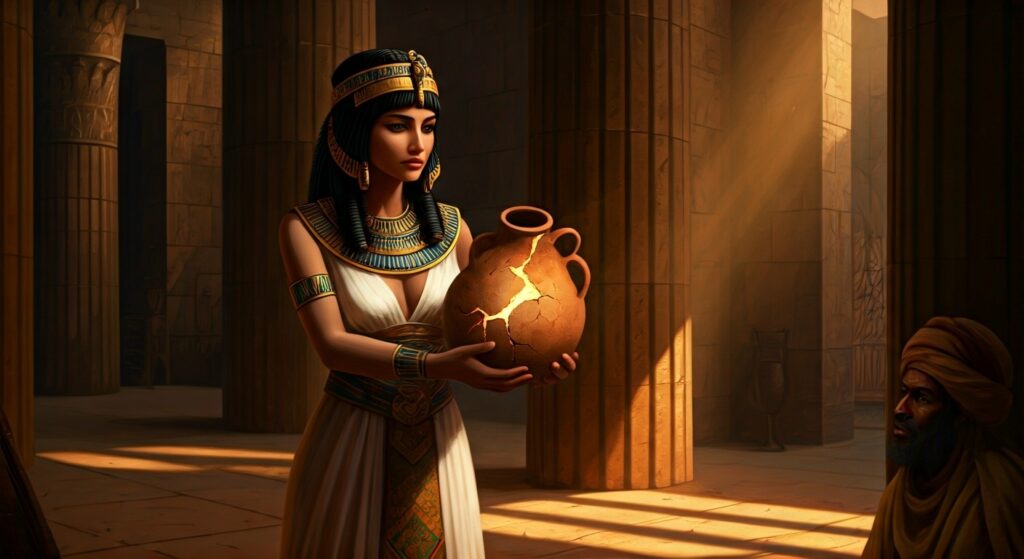
Historical records and archaeological evidence suggest that the trade of this miracle balm dates all the way back to ancient Egypt. According to the historical grapevine, Cleopatra herself wasn’t just naturally radiant; she actively demanded caravans bearing heavy clay jars of the stuff, importing it at exorbitant costs. Even the Queen of Sheba was reputed to have prized it above almost all other treasures.
But why were the most powerful women in the ancient world moving heaven and earth to import this specific, mysterious paste?
A Fortress Against the Harmattan
The answer lies in the harsh, unforgiving African savanna belt, a massive stretch of land running from Senegal to Sudan. This is the only place on earth where the indigenous shea tree, Vitellaria paradoxa, naturally thrives.
For the people living in this region, shea butter wasn’t a luxury—it was absolute survival. The harmattan winds—dry, dusty, and relentless—tear through West Africa, violently cracking skin and hair. Shea butter was the ultimate shield against this wind and the punishing Saharan sun.
But its power didn’t stop at skincare. It was the duct tape of the ancient African savanna, a miraculous substance that fixed absolutely everything. Historically, shea butter was a primary cooking oil, a slow-burning fuel for lamps, a medicinal salve for joint pain and wound healing, and even a highly effective waterproofing agent for the walls of mud huts.
The Explorers Who Stumbled Upon a Goldmine
Because of its immense, life-saving value, the exact methods of harvesting and processing shea butter remained a highly guarded secret of African cosmetology for centuries. But as massive empires rose and fell, outsiders began to catch whispers of this miraculous substance.
In the 14th century, the legendary Moroccan explorer Ibn Battuta wandered into the incredibly wealthy Mali Empire. He was blown away by the sheer economic force of the local trade and specifically documented the extensive use of shea butter among the people he encountered.
Centuries later, the secret was still baffling foreigners. In the late 18th century, Scottish explorer Mungo Park traveled to West Africa and became utterly fascinated by the shea nut. He noted in his journals with absolute astonishment that the butter extracted from it would keep for an entire year without salt, declaring it vastly superior in both firmness and flavor to cow’s butter.
The True Keepers of the Savanna’s Secret
Despite the fascination of foreign explorers and ancient queens, the true power behind shea butter has always belonged to the everyday women of East and West Africa.
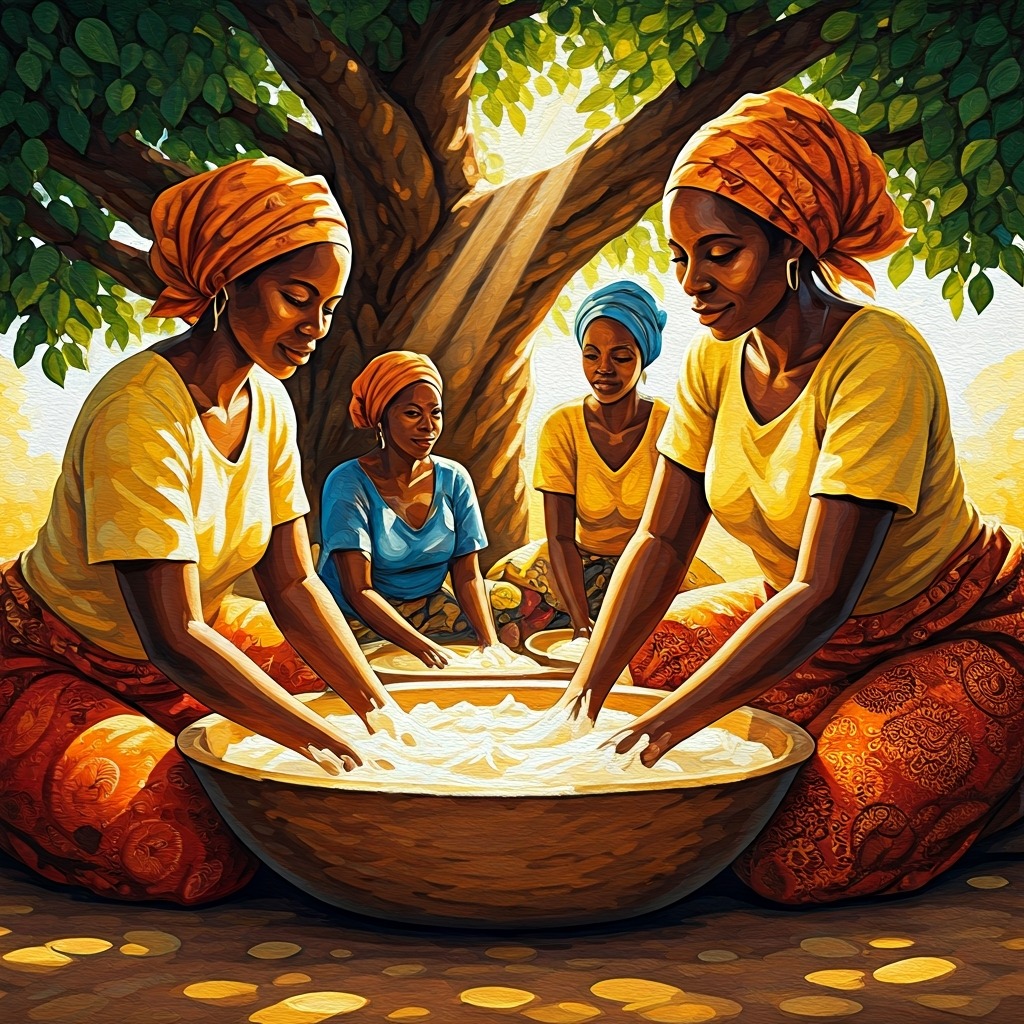
Extracting this butter is a grueling, labor-intensive process. It requires harvesting, drying, pounding, roasting, and kneading the nuts by hand. For millennia, this backbreaking but highly profitable work has been entirely managed by women. It provided them with a crucial source of independent income, rightfully earning the moniker “women’s gold.”
It wasn’t until the late 20th century that the global cosmetic industry finally caught up to what African women had known since the days of Cleopatra. Modern science revealed that the butter is packed with high concentrations of fatty acids and vitamins A and E, giving it potent moisturizing and anti-inflammatory properties.
Today, it is a ubiquitous ingredient in lip balms, lotions, and hair conditioners around the globe. Yet, despite massive commercialization, the traditional methods of roasting and extracting those nuts remain a vital cultural and economic pillar for millions of women across rural Africa.
So, the next time you casually rub some shea butter lotion on your hands, take a second to appreciate the weight of what you are holding. You aren’t just moisturizing; you’re participating in a centuries-old, royal-approved, trans-Saharan legacy.