Spring, 1943. The Allied forces were staring down a seemingly impossible locked-room mystery, and the fate of the free world hung in the balance.
To break the Axis powers’ iron grip on Europe, the Allies needed to invade the continent through its southern underbelly. The obvious target was Sicily—the perfect stepping stone into Italy. The problem? The Germans knew it, the Italians knew it, and anyone with a map could see it coming. To avoid a catastrophic slaughter on the beaches, the Allies had to convince the German High Command that the real targets were Greece and Sardinia, and that Sicily was merely a decoy.
But how do you convince one of the most paranoid military machines in history to look the other way? You lie to them. And to deliver the lie, you use a ghost.
Fly Fishing for Nazis
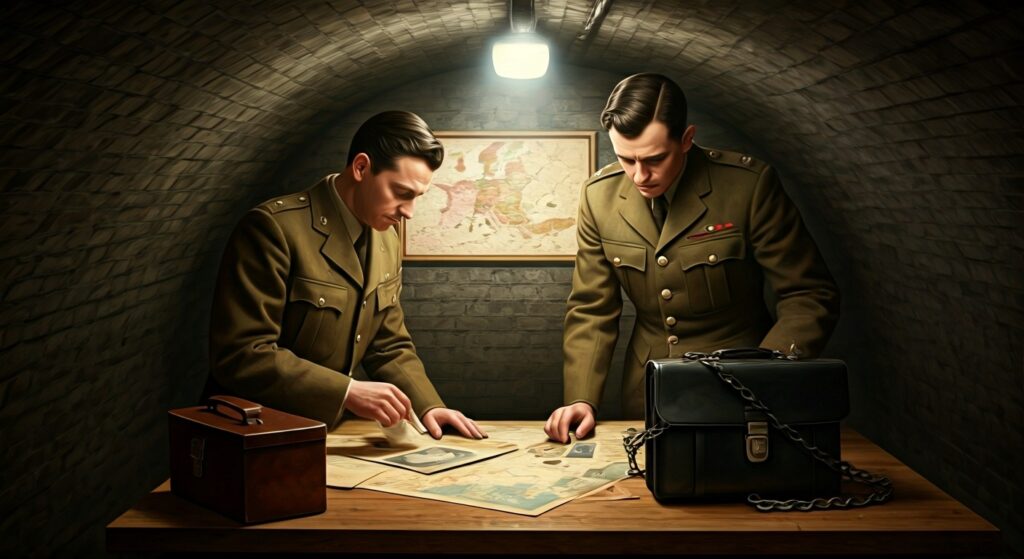
The masterminds behind this deception were Ewen Montagu and Charles Cholmondeley of British intelligence’s ultra-secret Twenty Committee. Desperate for inspiration, they turned to a document known as the Trout Memo. The memo compared wartime deception to fly fishing—the delicate art of perfectly presenting a lure so the enemy swallows it whole. The author of this memo was a naval intelligence officer named Ian Fleming, who would later channel his wartime espionage experiences into creating James Bond.
The concept they developed was brilliantly macabre: procure a dead body, dress him as a high-ranking courier, plant fake top-secret invasion plans on him, and let the enemy “discover” the intelligence. But they couldn’t just use any body. If the Germans performed an autopsy, the cause of death had to look exactly like a plane crash at sea.
Breathing Life into a Corpse
Finding the right body was a forensic nightmare. Enter Glyndwr Michael, a tragically homeless Welshman who had died from ingesting rat poison. Because the phosphorus in the poison mimicked the physiological effects of drowning and exposure, his body was the perfect vessel for the ruse.
The Twenty Committee went to work, spinning a web of lies so intricate it remains a masterclass in espionage. Glyndwr Michael was reborn as Major William Martin of the Royal Marines.
To make Major Martin a three-dimensional human being, British intelligence stuffed his pockets with what spies call “pocket litter.” They gave him a fake military ID, theater ticket stubs, and an angry letter from his bank manager about an overdraft. They even gave him a fictional fiancée named Pam, complete with a photograph, an engagement ring receipt, and heartbreaking love letters.
But the real payload was chained to his wrist. Inside a locked briefcase were personal letters between high-ranking Allied commanders. These letters casually, almost accidentally, discussed the impending invasions of Greece and Sardinia, framing the obvious target of Sicily as a mere smokescreen.
The Midnight Drop off Huelva
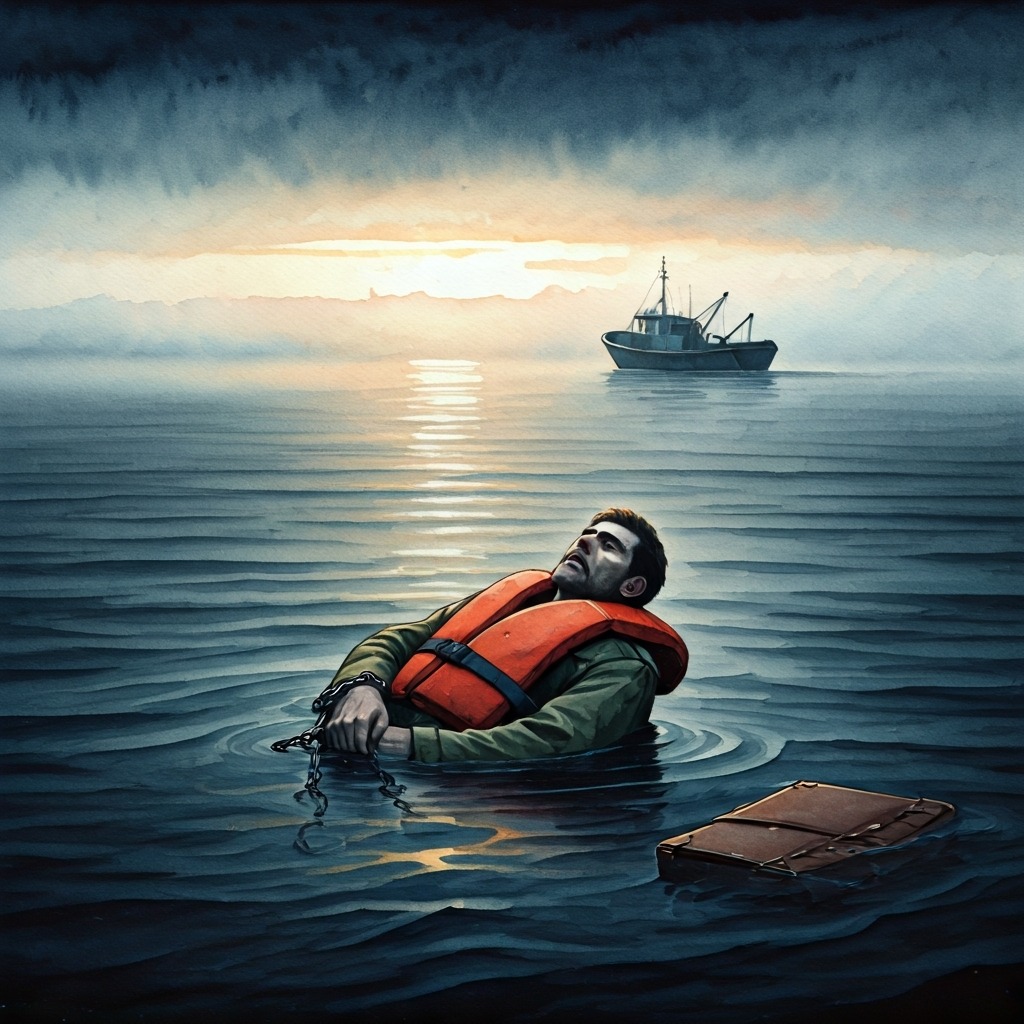
In April 1943, Major Martin was placed inside a specialized dry ice canister to preserve his body and loaded aboard the submarine HMS Seraph. Under the cover of darkness, the sub slipped through the waters and surfaced off the coast of Huelva, Spain.
Why Spain? While nominally neutral, the Spanish government was riddled with Axis sympathizers who routinely shared intelligence with the Nazis. British intelligence knew Huelva was a hotbed of spy activity, specifically home to a highly effective German Abwehr agent named Adolf Clauss.
The crew of the HMS Seraph read the 39th Psalm, inflated Major Martin’s life jacket, and slipped him into the dark tide.
Hook, Line, and Sinker
The next morning, a local fisherman found the body. Exactly as Montagu and Cholmondeley had predicted, the Spanish authorities intervened. They secretly opened the briefcase, photographed the “top-secret” documents, and swiftly passed the intelligence to the Germans before returning the body and the seemingly undisturbed briefcase to the British.
The bait had been taken. But would the enemy swallow it?
The photographs made their way all the way to Berlin. German intelligence analysts pored over the pocket litter, the love letters, and the strategic memos. They bought it completely. Adolf Hitler was so thoroughly convinced that he overruled his own generals, who still suspected Sicily was the real target.
In a massive strategic blunder, Hitler redeployed entire Panzer divisions, torpedo boats, and aircraft away from France and the Eastern Front, sending them to defend Greece and Sardinia.
When the Allies finally stormed the beaches of Sicily in July 1943, they faced a fraction of the resistance they had anticipated. Operation Mincemeat saved thousands of Allied lives, accelerated the downfall of Benito Mussolini, and proved that sometimes, the most powerful weapon in a global war isn’t a bomb or a tank.
Sometimes, it’s just a briefcase full of lies and a phantom major who never actually existed.