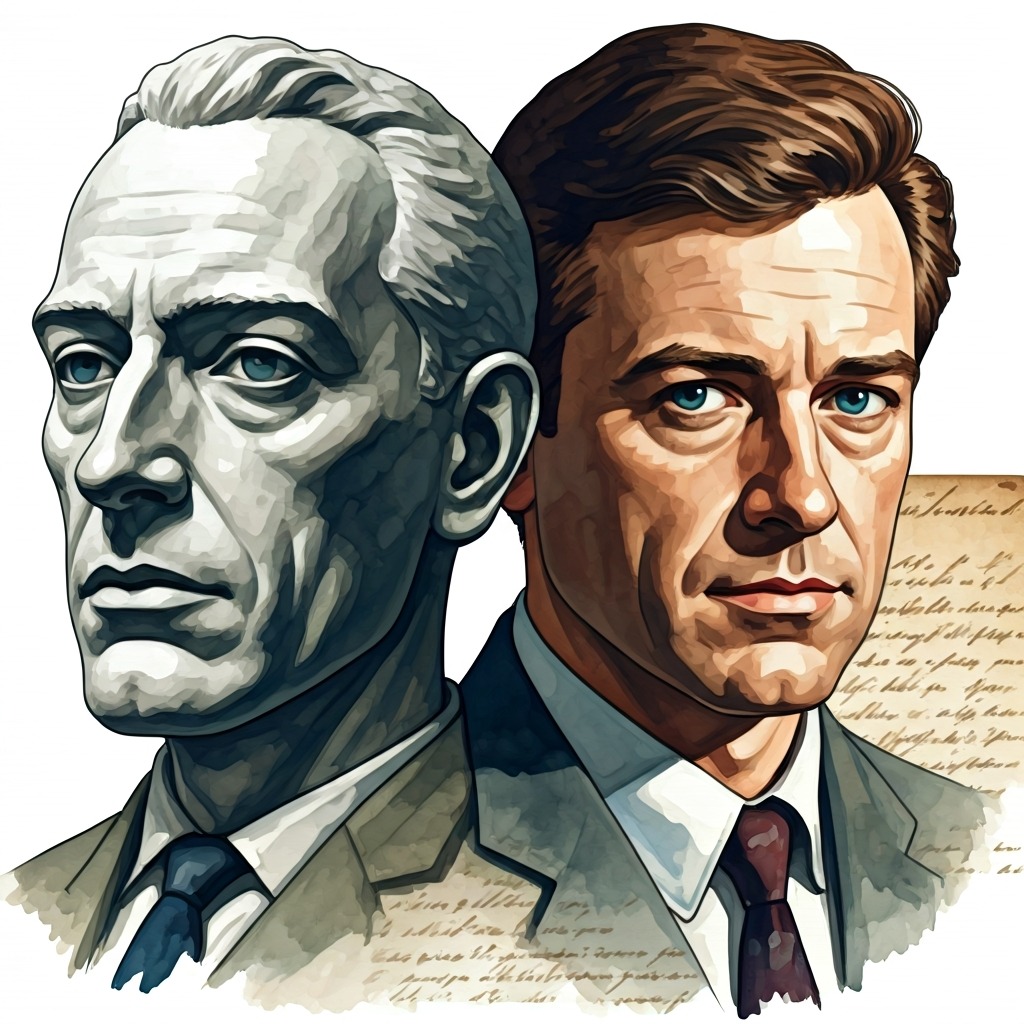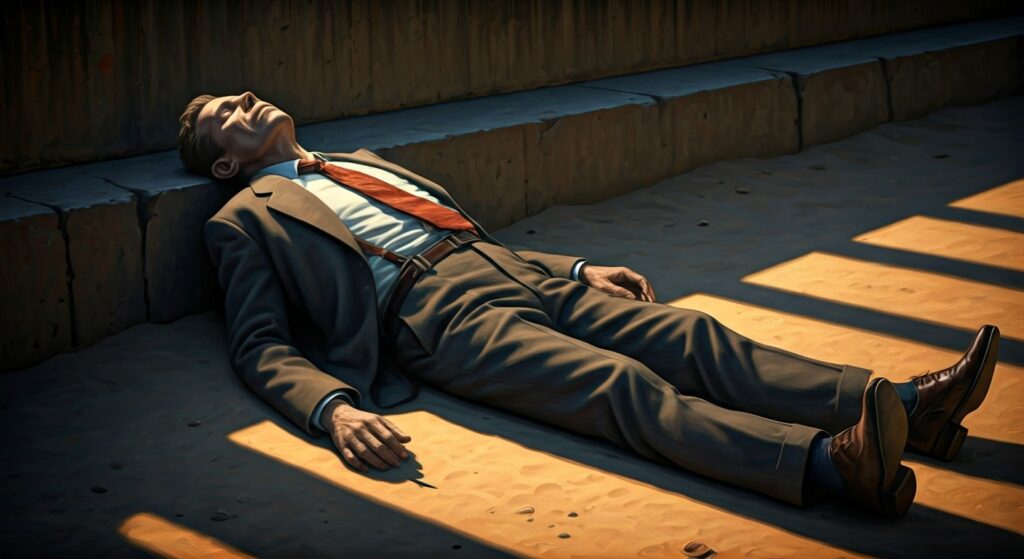
The morning of December 1, 1948, dawned warm and bright in Adelaide, South Australia. But the scene on Somerton Beach was chillingly out of place. Slumped against a seawall was the lifeless body of a man.
Despite the sweltering heat, he was impeccably dressed in a heavy suit, tie, and polished shoes. An unlit cigarette rested gently on his collar. When police searched his pockets for identification, they found nothing. No wallet. No ID. Even more sinister? Every single identifying label had been meticulously snipped from his clothing.
A Dressed-to-Kill Discovery
The autopsy only deepened the enigma. The man was in peak physical condition, boasting unusually pronounced calf muscles and wedge-shaped toes—traits of a professional ballet dancer or a distance runner. Internally, his spleen was massively enlarged and his liver congested. The pathologist suspected a lethal dose of a virtually untraceable poison, like digitalis or strophanthin. Yet, toxicology reports came back completely clean. He was a ghost.
The Suitcase and the Secret Pocket
In January 1949, investigators caught a fleeting break. They located a brown suitcase checked into the Adelaide Railway Station cloakroom the day before the man’s death.
Inside, they found more clothing (again, with all tags removed), a modified table knife, stenciling tools, and a very specific type of orange Barbour thread not sold in Australia. That exact thread perfectly matched a repair made to the dead man’s trousers. But it still didn’t give him a name.
The most sensational clue emerged months later. A pathologist re-examining the man’s trousers discovered a tiny, hidden fob pocket sewn deep into the lining. Inside rested a tightly rolled scrap of paper printed with two ominous words: Tamám Shud.
In Persian, it translates to “it is finished.”
The Poetry of Death
The scrap was traced to the final page of a rare New Zealand edition of The Rubaiyat of Omar Khayyam, a 12th-century book of Persian poetry focused on living life to the fullest and having no regrets at death.
Following a desperate public appeal, a local man came forward with the exact book. He claimed he had found it tossed into the back seat of his unlocked car near Somerton Beach right around the time of the mystery man’s death.
When police flipped to the back cover, they found two massive clues: an unlisted telephone number and faint pencil indentations of a seemingly encrypted five-line code starting with the letters WRGOABABD.
A Terrified Nurse and an Unbreakable Code
The phone number belonged to a young nurse named Jessica Thomson, who lived a mere 400 meters from where the body was found. Police referred to her in the media as “Jestyn” to protect her identity.
When investigators interviewed Thomson, she vehemently denied knowing the dead man. However, officers noted that she appeared completely terrified, nearly fainting when shown his plaster death mask. She admitted to owning a copy of the Rubaiyat during WWII, which she had gifted to an army lieutenant named Alf Boxall.
Police were certain the dead man was Boxall—until Boxall was found alive and well, with his gifted copy of the book still perfectly intact. It was another maddening dead end.
Cold War Paranoia
For decades, the prevailing theory was espionage. Adelaide in the late 1940s was a hotbed for intelligence agencies, largely due to the nearby Woomera secret missile testing range and the Radium Hill uranium mine.
The meticulous removal of clothing labels, the use of an untraceable poison, and an unbreakable code fueled wild rumors. Was he a Soviet spy assassinated by Western intelligence? A double agent? The Somerton Man became the ultimate Cold War ghost story.
The Ghost Gets a Name
The mystery remained unsolved until 2022, when Professor Derek Abbott of the University of Adelaide and American forensic genealogist Colleen Fitzpatrick announced a stunning breakthrough.
Using DNA extracted from hairs trapped in the Somerton Man’s plaster death mask, they built a complex family tree using genetic genealogy databases. Finally, they identified the Somerton Man as Carl “Charles” Webb, a 43-year-old electrical engineer and instrument maker from Melbourne.
Webb had no recorded death certificate. He was the youngest of six siblings and was married to a woman named Dorothy Robertson. Historical records revealed that Dorothy had left him and moved to South Australia. Webb’s presence in Adelaide wasn’t a covert Cold War mission; it was a desperate attempt to track down his estranged wife.
And that unbreakable, sinister spy code? Webb had a known affinity for poetry and betting on horses. The random letters perfectly aligned with a shorthand method for tracking racehorses and bets.
While the exact circumstances of his death—whether a tragic suicide using an obscure poison or an undetected natural cause—remain unconfirmed, the identification of Carl Webb fundamentally shifted history. It pivoted the narrative from an international spy thriller to a deeply personal, tragic domestic reality.