Deep beneath the soil of Northern France, a labyrinth of tunnels stretched like black veins through the earth. It was the spring of 1906, and the vast subterranean network operated by the Compagnie des mines de Courrières was a marvel of Victorian-era engineering. It was also a powder keg waiting for a spark.
A Fatal Calculation
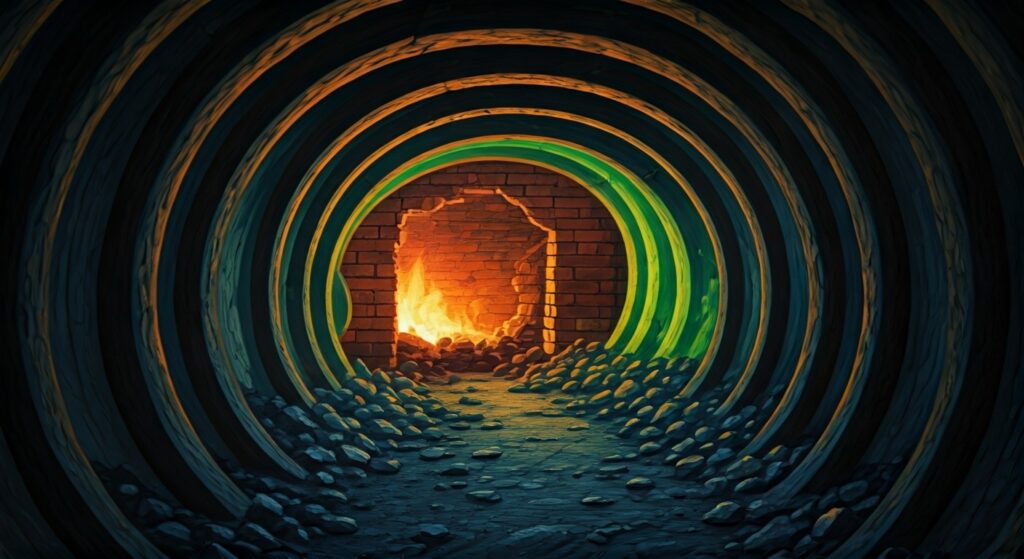
In early March, a fire broke out in the Cécile pit. The scientific response to an underground blaze was simple: extinguish it with water. But water floods tunnels, and flooded tunnels halt coal extraction. Prioritizing profit over basic physics, mine management made a catastrophic decision. Instead of dousing the flames, they ordered the burning section sealed off with brick walls, hoping to starve the fire of oxygen.
They didn’t kill the fire. They built a bomb.
Highly combustible firedamp—methane gas—naturally seeps from coal seams. Trapped behind the brick walls, the methane began to pool, mixing with toxic gases and baking in the superheated darkness.
The Spark in the Dark
On the morning of March 10, 1906, the inevitable occurred.
Whether from a collapsed roof, a spark from a miner’s lamp, or the sheer pressure of the sealed pit, the firedamp ignited. The initial methane explosion was violent, but what followed was apocalyptic. The shockwave disturbed massive quantities of highly flammable coal dust coating the tunnel walls. When airborne coal dust meets an ignition source, it triggers a monstrous chain reaction.
A rolling wall of fire and concussive force violently swept through 110 kilometers of tunnels. The devastation was instantaneous. Hundreds of miners were killed in a fraction of a second, including many galibots—young boys who worked the pits. In the blink of an eye, 1,099 lives were extinguished in the deadliest mining disaster in European history.
Entombed for Profit
Immediate rescue efforts descended into pure chaos. Desperate French miners plunged into the smoking shafts to save their brothers and sons, but they were walking into toxic, oxygen-deprived death traps with nothing but raw courage.
A glimmer of hope arrived when a team of German rescue miners from the Westphalian Hibernia mine rushed across the border. Equipped with advanced Draeger breathing apparatuses—early closed-circuit oxygen rebreathers—they highlighted just how dangerously behind the French mining industry was.
Yet, despite the Germans’ bravery and superior technology, the rescue mission was abruptly aborted. After just three days, the mining company made a chilling calculation. To smother the remaining underground fires and protect the unmined coal seams, management called off the search and sealed the shafts. The local population watched in horror, knowing with absolute certainty that the company was sealing living men inside a mass grave.
Ghosts from the Deep
For weeks, the town mourned its dead. The mine was presumed to be a tomb. But twenty days later, on March 30, the impossible happened.
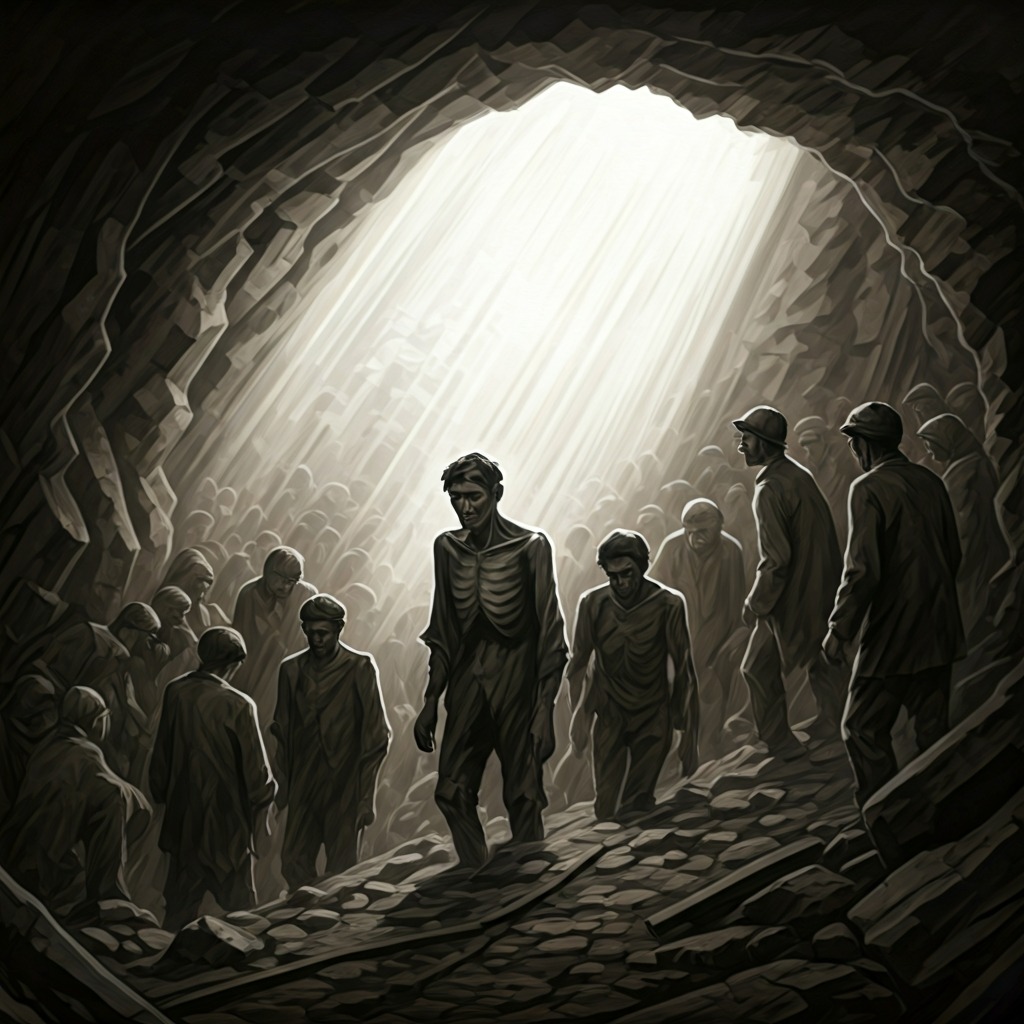
Out of the pitch-black depths of the earth, thirteen survivors miraculously emerged. Dubbed les rescapés, these men had navigated miles of collapsed, gas-filled tunnels in total darkness. They had survived by drinking contaminated mine water, eating the rotting bark off timber support props, and eventually consuming the raw meat of a dead pit horse. Four days later, a fourteenth survivor was pulled from the abyss.
The Shockwave Above Ground
The emergence of the survivors was a miracle, but it was also a smoking gun. It proved beyond a shadow of a doubt that the Compagnie des mines de Courrières had abandoned living men to die in the dark to save their coal.
The fury that followed was explosive. Over 60,000 miners across the region walked off the job in a massive strike. The political fallout was so intense that the French Minister of the Interior deployed 30,000 troops to quell the riots.
The Courrières disaster left a permanent, jagged scar on the cultural and political landscape of the French working class. But from the ashes came a massive leap forward in safety technology, triggering sweeping changes in mining regulations, mandatory breathing apparatuses, and strict coal dust mitigation. It remains a grim reminder that our greatest technological advancements are almost always written in blood.