A Buried Archive of Secrets
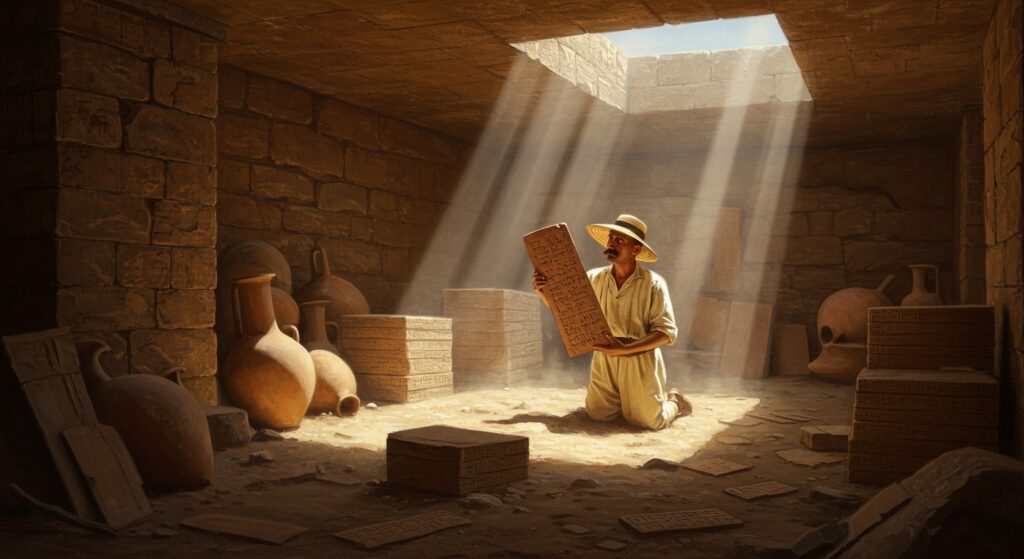
In the 1920s, beneath the sun-scorched sands of modern-day Iraq, acclaimed archaeologist Sir Leonard Woolley made a discovery that defied all expectations. Deep within the ruins of the ancient city of Ur, his team breached a sprawling, long-forgotten dwelling from the Old Babylonian empire. Inside lay a hidden cache of clay tablets, meticulously inscribed in Akkadian cuneiform and dating back to roughly 1750 BC.
When unearthing a secret archive, an archaeologist’s mind races with grand possibilities. Were these the lost decrees of a forgotten king? The dark, blood-soaked incantations of a high priest? Or perhaps the classified battle plans of a fallen empire?
But when translators finally cracked the ancient script, they didn’t find state secrets or mystical spells. They uncovered something far more visceral, deeply relatable, and entirely unexpected: pure, unadulterated consumer rage. Woolley had stumbled upon what is now officially recognized as the oldest known customer service complaint in human history.
The Bait, The Switch, and The War Zone
The crown jewel of this dusty archive was a blistering letter sent by a man named Nanni to a prominent merchant named Ea-nasir.
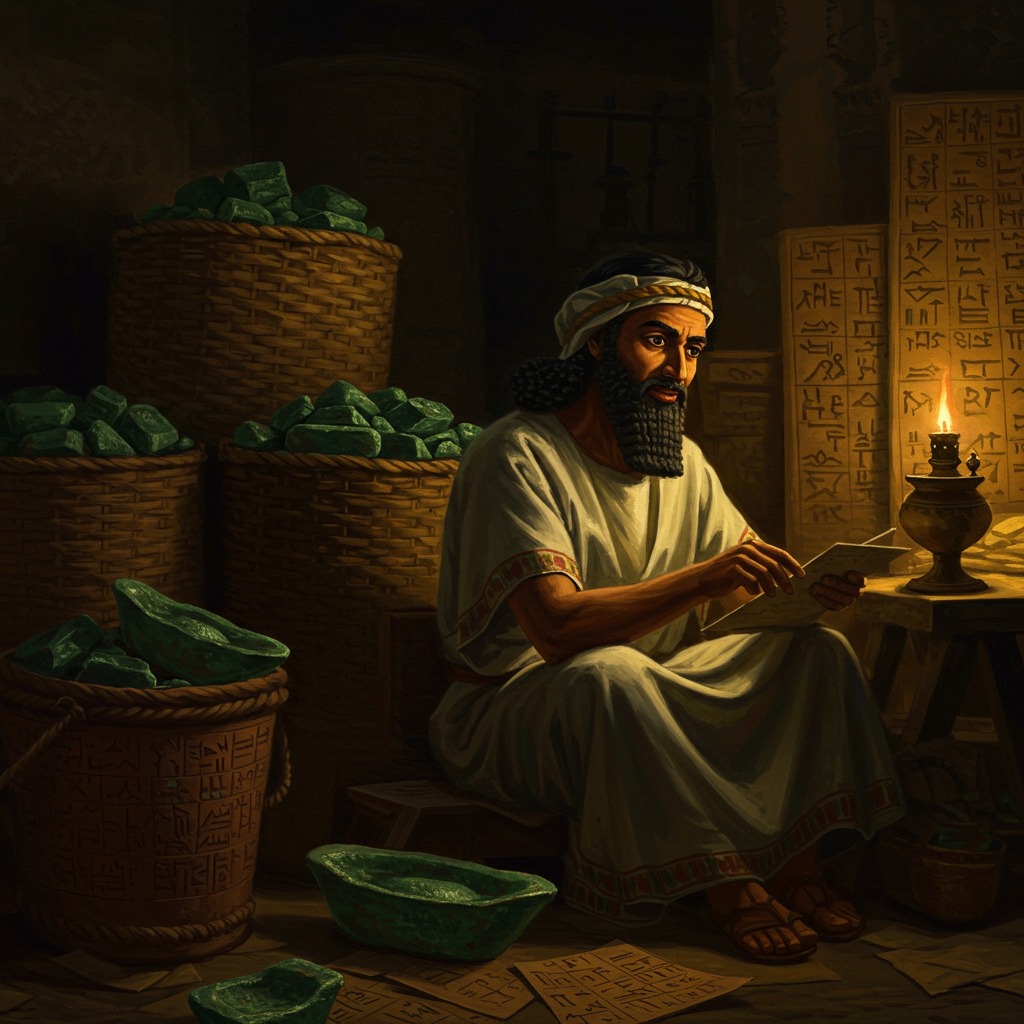
Ea-nasir was an alik Tilmun—an elite trader who braved the treacherous Persian Gulf to purchase copper in Dilmun (modern-day Bahrain) and sell it back in Mesopotamia. In the Bronze Age, copper was lifeblood. It was the foundation of tools, weapons, and currency. Ea-nasir was supposed to be a trusted supplier.
Nanni, however, was incandescent with rage. According to his highly detailed complaint, Ea-nasir had promised a shipment of premium, high-quality copper ingots. But when Nanni dispatched his trusted messenger, Sit-Sin, to finalize the transaction, Ea-nasir pulled a brazen bait-and-switch, offering a pile of heavily degraded, substandard scrap.
When Sit-Sin protested, Ea-nasir didn’t apologize. Instead, he delivered a chillingly arrogant ultimatum: take the garbage copper, or leave empty-handed. Because Sit-Sin refused to accept the terrible goods, Ea-nasir forced the messenger to travel back home with nothing—navigating directly through a dangerous, active war zone.
The Wrath of Nanni
The translation of Nanni’s letter is a masterclass in righteous indignation. He demands to know what Ea-nasir takes him for, treating a man of his stature with such profound disrespect. He points out that he had already paid for the shipment in precious silver, which the swindler was now holding hostage.
Laying down the law, Nanni demands his money back immediately. He declares that from this day forward, he will strictly exercise his right of rejection, refusing to trust Ea-nasir’s deliveries. Instead, he vows to inspect and select every single copper ingot individually in his own yard.
But the mystery of Ea-nasir doesn’t end with a single disgruntled buyer. The true intrigue lies in the archaeological context of the very room where the tablet was found.
A Serial Swindler’s Trophy Room
When Woolley excavated Ea-nasir’s dwelling, he didn’t just find Nanni’s letter. He found an entire room stuffed with furious complaints from a variety of different customers.
Tablets from men named Arbituram, Imgur-Sin, and Ilsu-ellatsu painted a damning picture of Ea-nasir’s shady business empire. They detailed severely delayed shipments, abysmal quality control, and misdirected funds.
This begs a fascinating historical question: Who exactly was Ea-nasir? Was he a ruthless mob boss operating a Bronze Age cartel? A serial scammer preying on the Mesopotamian elite? Or simply a wildly incompetent businessman?
Even more baffling is the fact that Ea-nasir kept these tablets. In the ancient world, clay tablets were easily recycled by wetting them down and smoothing them over, or simply smashed to dust. Yet, Ea-nasir brought these furious indictments of his character into his own home and carefully stored them.
Historians remain divided on this bizarre behavior. Some speculate he was required to keep them as legal records in case he was dragged before a Babylonian court. Others suggest a more sinister, almost humorous psychological profile: perhaps Ea-nasir was a hoarder, or maybe he was genuinely proud of his notoriety, keeping the angry letters as trophies of his successful swindles.
A Timeless Grudge
Today, Ea-nasir’s copper complaint has experienced a bizarre resurrection as a massive internet meme. Thousands of years after his death, the shady merchant is more famous now than he ever was in the bustling streets of ancient Ur.
The survival of this tablet does something remarkable. It strips away the mythic, dusty veil we often place over ancient civilizations. It proves that while empires rise and fall, and technology leaps from clay tablets to smartphones, the sheer, blinding frustration of dealing with terrible customer service is a universally timeless human experience.