Look at the fork sitting next to your plate. It seems utterly mundane. Yet, for centuries, this simple metal utensil was the focal point of a vicious cultural war involving Byzantine divas, terrified clergymen, and accusations of literal devil worship. The most scandalous piece of history isn’t locked in a royal vault—it is resting right on your dining table.
A Golden Scandal at the Altar
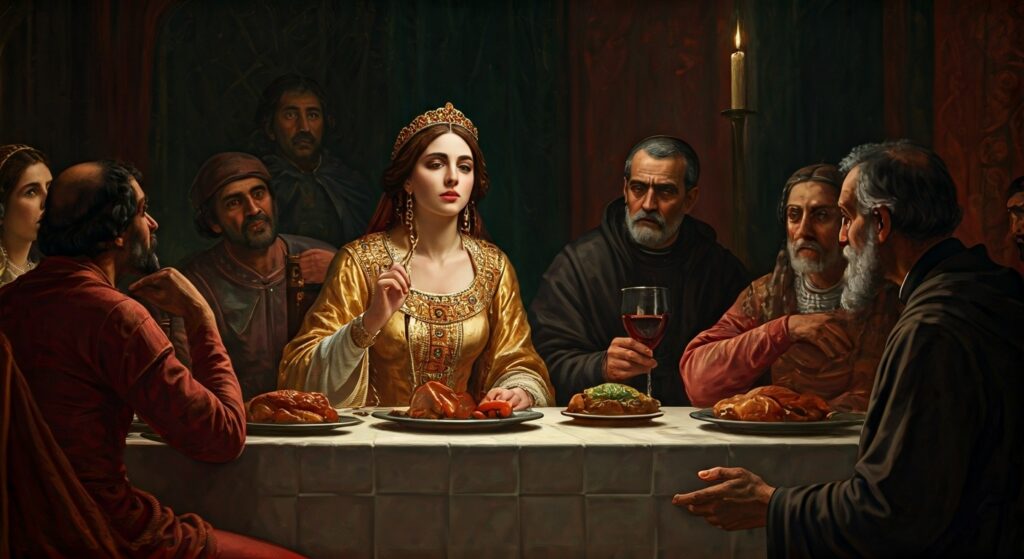
The year is 1004. The setting is Venice, and the social event of the season is underway. Maria Argyropoulina, a glamorous Byzantine princess, is marrying Giovanni Orseolo, the son of the Venetian Doge.
At the time, Western Europeans—even the ultra-wealthy—ate with their hands. While ancient empires used large forks to lift meat from boiling pots, bringing one to the dining table was unthinkable. You used a knife, a spoon, and your God-given fingers.
Enter Maria. Arriving from the Eastern Roman Empire, where the elite had used personal forks since the 9th century, she refuses to plunge her hands into the communal wedding platters. Instead, she commands her eunuchs to carve her food into bite-sized pieces. Then, she delicately lifts the morsels to her mouth using a custom, two-pronged golden fork.
The Venetian nobility was horrified. It was an absolute cultural shock—the 11th-century equivalent of eating soup with tweezers.
The Devil’s Utensil
The reaction wasn’t confined to whispered insults behind feathered fans. The local clergy went completely ballistic.
To the Church, the fork wasn’t just a bizarre Eastern trend; it was a sacrilegious affront to the Almighty. The prevailing theological argument was absolute: God had perfectly designed humans with natural forks—our fingers. To use an artificial metal implement to touch God’s bounty was a direct insult to the Creator’s divine design.
Worse, the two-pronged instrument looked suspiciously like the devil’s pitchfork. The Church officially condemned the fork as overly decadent, unnatural, and downright evil.
Gruesome Divine Retribution
If you thought the cancel culture of the 11th century would eventually fade, you underestimate the pettiness of medieval clerics.
A few years after her scandalous wedding, Princess Maria tragically contracted the plague and died. Rather than offering condolences, prominent church figures seized the PR opportunity. St. Peter Damian famously declared her agonizing death to be a direct, divine punishment for her excessive vanity and her unnatural, sinful eating habits.
Because of this theological smear campaign, the fork was effectively blacklisted across Western Europe. For centuries, it was viewed as a symbol of Eastern decadence and effeminacy. If you used a fork, you weren’t just a snob—you were a sinner.
The Unlikely Savior of Cutlery
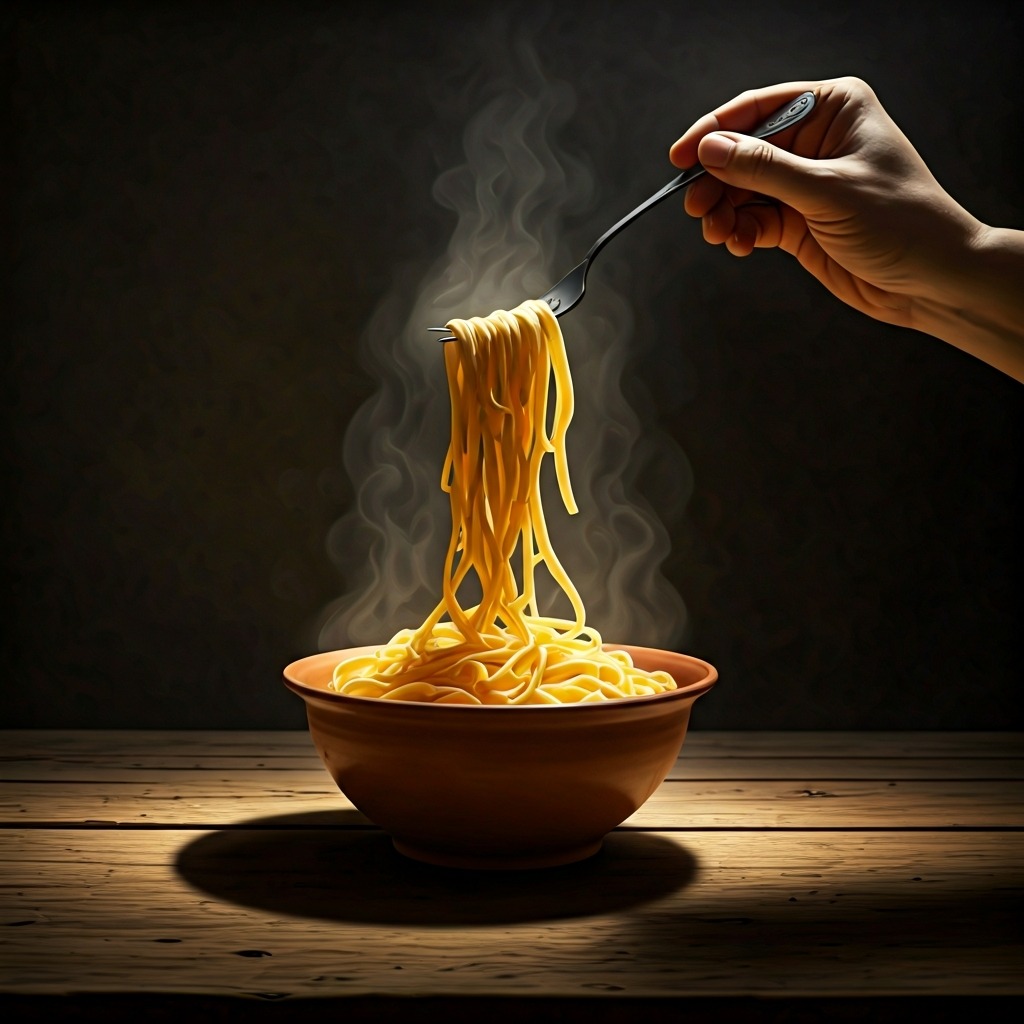
How did this “devil’s pitchfork” finally make it onto our tables? It took a few hundred years, but the fork found an unlikely savior in the 14th and 15th centuries. The hero of our story? Pasta.
As pasta gained widespread popularity in Italy, dining became a remarkably messy affair. Eating slippery, piping-hot noodles with your fingers or a flat wooden spoon was an aesthetic nightmare. The fork was the only tool equipped for the job. Eventually, the Italian elite had to swallow their pride—and their pasta—and adopt the forbidden utensil.
Slow Fashion, Slower Acceptance
Even with Italy on board, the rest of Europe was incredibly late to the trend.
When Catherine de’ Medici moved to France in the 16th century to marry Henry II, she brought the fork with her. Yet even the French courtiers—people who wore literal ships in their wigs—mocked the fork as an absurd affectation.
The English were even more resistant. In 1611, an English traveler named Thomas Coryat brought a fork back from Italy and was mercilessly ridiculed by his peers for being a pretentious show-off.
It wasn’t until the 18th century that the fork finally received a design overhaul, evolving from its straight, two-tined, slightly terrifying look into the curved instrument with three or four tines we know today.
So, the next time you sit down for a meal, take a good look at the fork in your hand. You’re holding a piece of scandalous, rebellious history that terrified the Church and changed the way we eat forever.