Deep in the historical archives lies a 500-year-old paper trail that shatters everything we thought we knew about the dawn of the transatlantic slave trade. It is a story of a visionary monarch, a catastrophic betrayal, and a desperate fight to save an empire. This isn’t a passive chapter of history—it is a thriller of royal espionage, rogue mercenaries, and a king who watched his glittering dream turn into a nightmare.
A Brotherhood Built on Sand
The year is 1509. The Kingdom of Kongo is a sprawling, wealthy, and highly organized African empire. At the helm is Nzinga Mbemba, a visionary leader who takes the Christian name King Afonso I and rules the Kingdom of Kongo from 1509 to 1542.
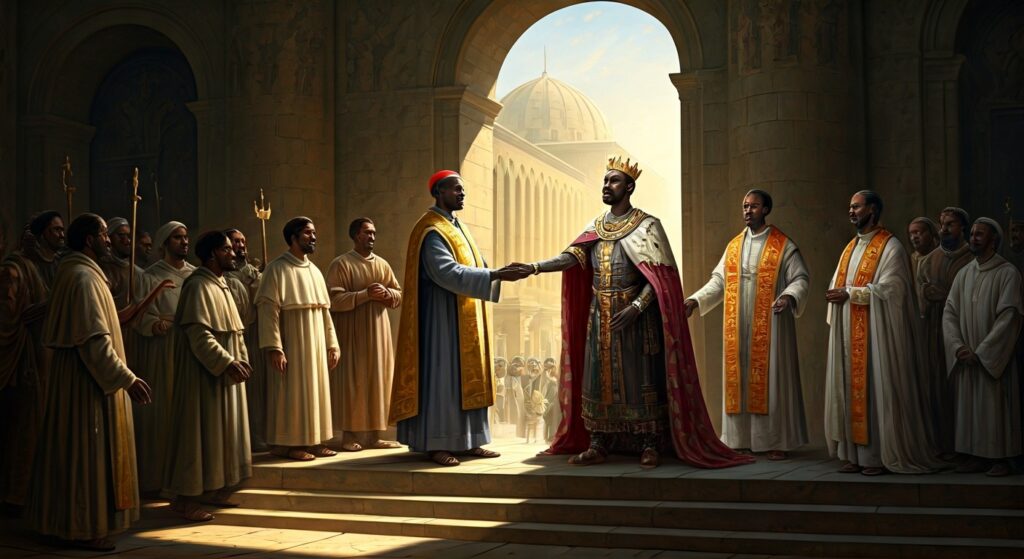
Afonso was a devout Catholic convert with a massive ambition: to build a modern, Christian African superpower. To achieve this, he opened his doors to the Portuguese, welcoming their priests, teachers, and artisans to help modernize his realm. For a brief, shining moment, it looked like the ultimate geopolitical alliance. Two Christian kings, continents apart, treating each other as brothers and equals.
But in the ruthless game of empires, “brotherhood” is often just a mask for treason.
The Poison of São Tomé
The creeping poison in this alliance emanated from a tiny, nearby island called São Tomé. The Portuguese had established highly lucrative sugar plantations there, and sugar is a brutal crop that requires backbreaking labor. Driven by the insatiable labor demands of these Portuguese sugar plantations, the merchants who originally arrived in Kongo for legitimate trade soon discovered a darker, more profitable currency: human beings.
This wasn’t an official, above-board diplomatic treaty. It was a rogue, underground syndicate. Portuguese mercenaries, merchants, and—shockingly—even missionaries began operating completely outside of Afonso’s laws. They bypassed his royal monopolies, smuggled weapons to his rebellious vassals, and started indiscriminately kidnapping Kongolese citizens right off the streets.
The betrayal soon pierced the palace walls. The kidnappers weren’t just taking commoners; they were snatching members of the Kongo nobility. Eventually, they even kidnapped members of Afonso’s own extended family. The very guests Afonso had invited into his home were now devouring it from the inside.
The Quill and the Crown
Afonso did not sit in silence. He fought back with the sharpest weapon at his disposal: the quill.
In 1526, he penned a series of extraordinary, candid, and increasingly desperate letters to King João III of Portugal and the Pope. These were not polite diplomatic notes; they were fiery, furious indictments of European moral bankruptcy.
Afonso called out his “Christian brothers” for their staggering hypocrisy. How could they preach the gospel on Sunday and enslave baptized Christians on Monday? He explicitly laid down the law, declaring that the rogue merchants were depopulating his realm and stating it was his will that there should be no trade of slaves nor outlet for them.
He pleaded for Portugal to stop sending greedy merchants and to only send priests and wine for the holy sacrament. Bypassing the Portuguese crown entirely, he wrote directly to the Vatican. He begged the Pope to intervene, to recognize Kongo as a legitimate, sovereign Christian kingdom, and to send independent bishops untainted by the blood money of the Portuguese slave economy.
Silence Across the Atlantic
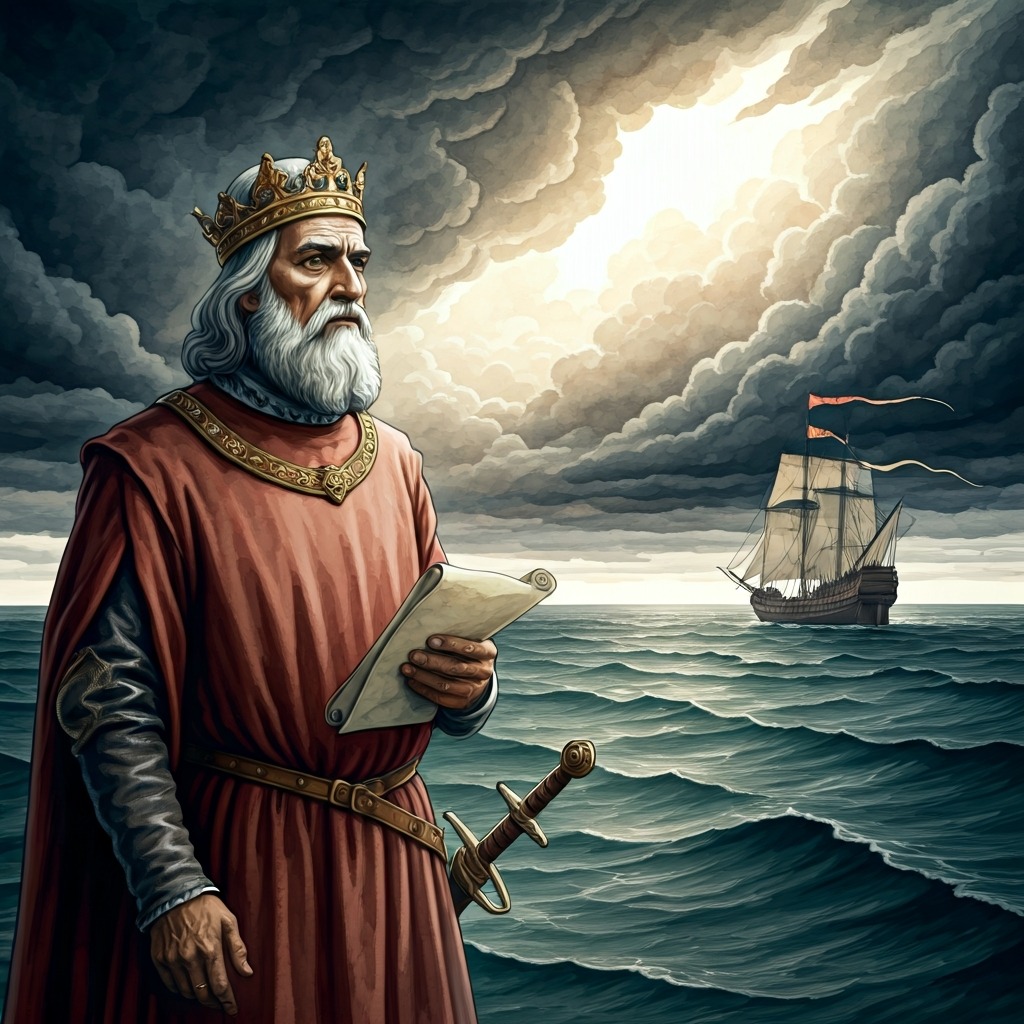
The true suspense of Afonso’s letters lies in the agonizing wait. Imagine the months it took for a ship to carry these urgent pleas across the Atlantic. Imagine a king standing on the shores of Central Africa, watching the horizon, waiting for the Pope or his Portuguese “brother” to step in and stop the madness.
The tragic twist? They left him to the wolves.
Afonso’s pleas fell on deaf ears. The Portuguese Crown offered nothing but token regulations—a mere slap on the wrist for the rogue merchants—while the immensely lucrative transatlantic slave trade continued to expand like a virus. The Vatican remained deafeningly silent. Without international support, the once-powerful Kongo Empire was slowly destabilized, fractured, and bled dry by the very forces Afonso had initially welcomed.
History often paints a false picture of a passive Africa during the dawn of the transatlantic slave trade. But Afonso’s letters—sitting right there in the archives for five centuries—prove otherwise. They are the ultimate receipts. They reveal an African leader actively resisting, using every ounce of diplomacy, law, and shared religious identity to protect his people from an illegal, devastating exploitation.