The Frankenstein Era of Cardiology
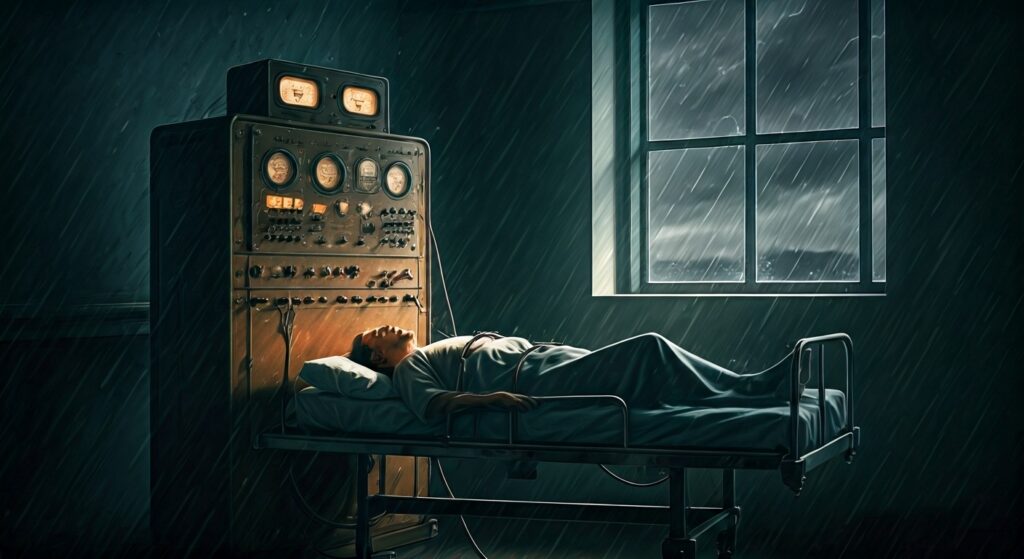
In the early 1950s, a failing heart was a death sentence, and the only reprieve looked like a medieval torture device. Early pacemakers were massive, television-sized machines plugged directly into hospital wall outlets. Patients were physically tethered to these humming boxes, enduring agonizing electrical shocks blasted through their chests just to keep their hearts beating. Worse, their survival depended entirely on the local power grid. A blown fuse or a thunderstorm meant instant death. The medical world was desperate for a miniature, autonomous alternative, but the bulky circuitry of the era made it seem like pure science fiction.
A Fateful Slip of the Hand
Enter Wilson Greatbatch. In 1956, the electrical engineer and assistant professor at the University of Buffalo wasn’t trying to cure heart disease. He was simply trying to build a recording device—an oscillator designed to listen to and track rapid heartbeats. Hunched over his workbench at the Chronic Disease Research Institute, Greatbatch reached into a box of spare parts for a standard 10,000-ohm resistor. But his hand slipped. Blindly, he pulled out a 1-megaohm resistor—a staggering 1,000,000 ohms—and soldered it directly into his circuit. It was a rookie mistake. A blunder that should have ruined the device.
The Pulse of a Medical Revolution
When Greatbatch powered up his newly soldered machine, it failed spectacularly at its intended job. It didn’t record a single sound. Instead, the altered circuit actively emitted a rhythmic electrical pulse. Bzzzt. Pause. Bzzzt. Pause. The machine delivered a precise 1.8-millisecond electrical pulse, followed by a one-second pause, over and over again. Greatbatch froze. Having previously studied cardiac physiology, he instantly recognized the rhythm. It wasn’t a random glitch; it was a perfect mechanical mimicry of the human heart’s natural firing node. By drastically altering the resistance, he had accidentally transformed a passive recording monitor into an active pulse generator. But the true miracle lay in the math: because of the massive resistance, the circuit drew almost zero current. It didn’t need a wall outlet. It could be powered by tiny batteries and implanted directly inside the human body.
Unplugging from the Wall of Death
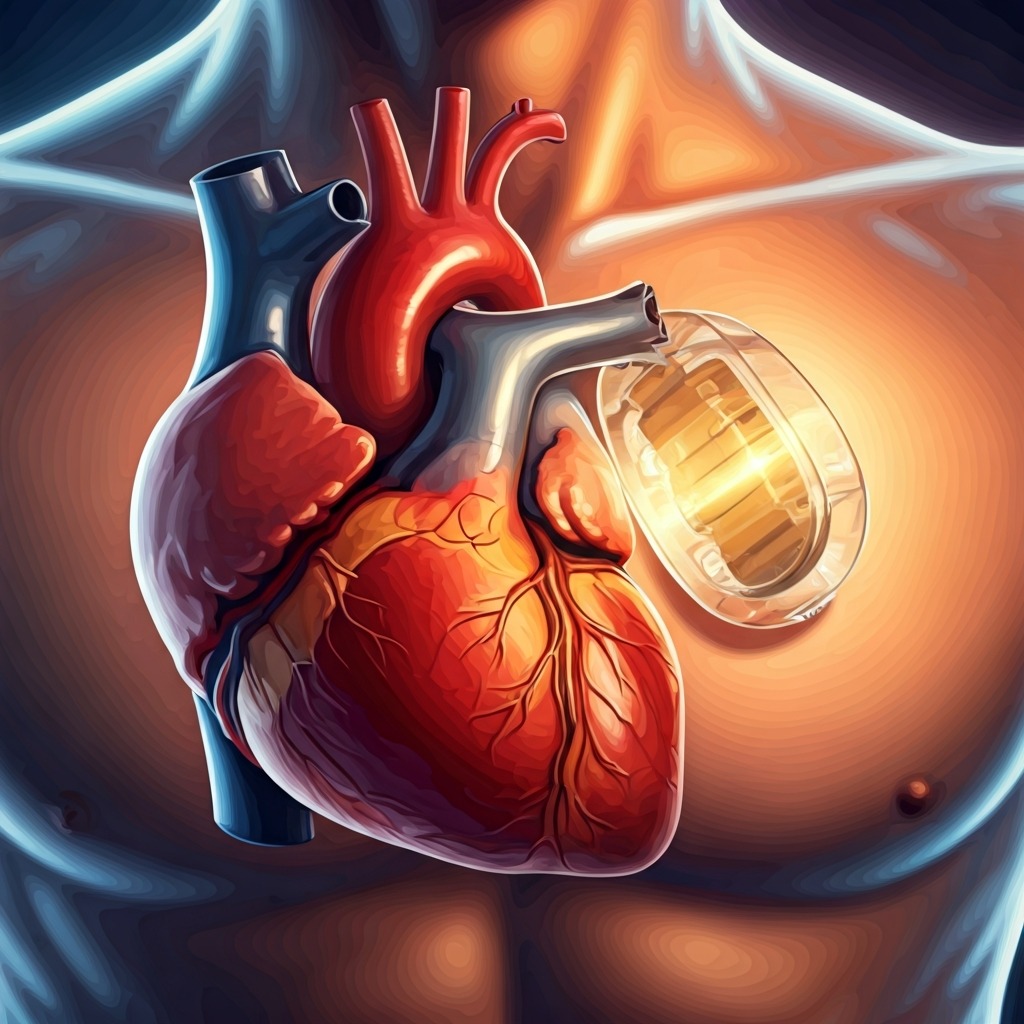
Knowing he held the key to freeing patients from their terrifying, wall-tethered existence, Greatbatch teamed up with surgeon Dr. William Chardack. They obsessively miniaturized the device, encasing the delicate circuitry in epoxy resin to protect it from the corrosive environment of the human body. On April 15, 1960, they faced their ultimate test. In a groundbreaking surgery, the first Chardack-Greatbatch pacemaker was successfully implanted into a 77-year-old man. It worked flawlessly, granting the patient another 18 months of comfortable, untethered life.
The Ultimate Power-Up
Greatbatch wasn’t finished. Early pacemakers relied on zinc-mercury batteries that died quickly, requiring frequent, invasive surgeries to replace. Driven by relentless perfectionism, Greatbatch acquired the rights to and perfected the lithium-iodine battery in the early 1970s. This single, monumental upgrade extended pacemaker battery life to over a decade, cementing the device as a practical, everyday miracle. Louis Pasteur famously noted that chance favors only the prepared mind. Had Greatbatch not possessed a brilliant, cross-disciplinary understanding of both radio circuitry and cardiac physiology, he would have simply cursed, desoldered the wrong resistor, and tossed the circuit in the trash. Instead, he recognized the magic in his mistake, accidentally birthing a multi-billion dollar medical revolution that continues to keep millions of hearts beating today.