In the shadowy, agricultural heartland of 16th-century northeastern Italy, a secret war was raging. It wasn’t fought with swords or cannons, and its battlefields couldn’t be found on any map. When the sun dipped below the horizon, an elite society of nocturnal warriors left their physical bodies behind to wage brutal, magical combat against the forces of darkness.
They were the Benandanti—the “Good Walkers.” And for generations, they were the only thing standing between their people and total ruin.
The Mark of the Chosen
You couldn’t volunteer for this invisible army; you had to be drafted by the universe itself. The defining mark of a Benandante was being born with a caul—an incredibly rare medical anomaly where an infant emerges into the world with the amniotic sac still draped over their face like a translucent veil.
In an era desperate for miracles, this was no mere coincidence. It was a divine mandate. Mothers carefully preserved the caul, having it blessed by a priest and sewn into a talisman worn around the child’s neck. It was a lifelong, physical reminder of a heavy destiny. As these children came of age, they were quietly initiated into a hidden brotherhood, preparing for a life of astral warfare.
Cosmic Brawls in the Spirit Realm
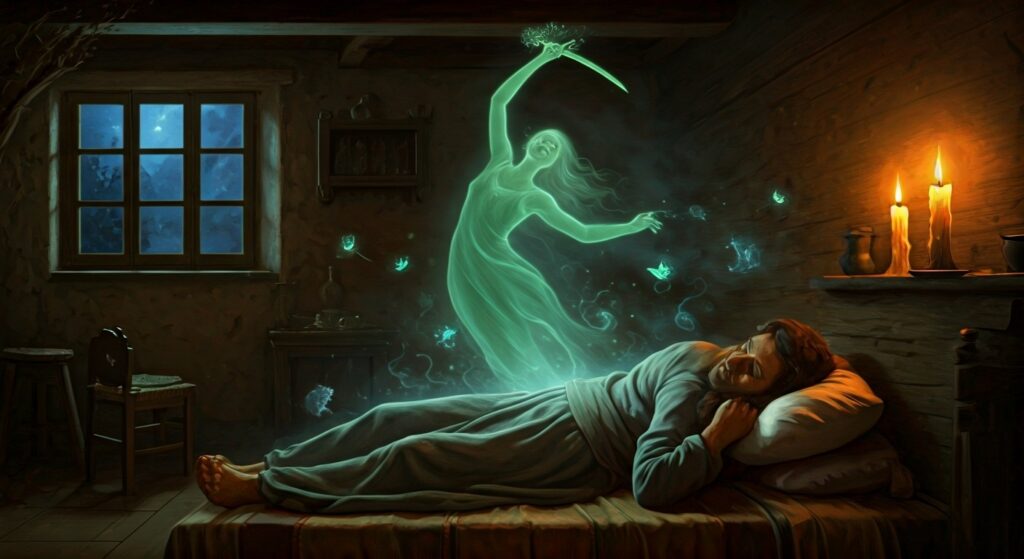
The conflict reached its zenith during the Ember Days, the crucial seasonal shifts that dictated the agricultural calendar. As these nights fell, the Benandanti would slip into a catatonic slumber. But while their bodies rested, their souls took flight.
Often taking the shape of mice or butterflies, their spirits traveled to a metaphysical battleground known as the Valley of Josaphat. Waiting for them in the mist were their mortal enemies: the Malandanti, a vicious coven of dark witches intent on destroying the region’s crops.
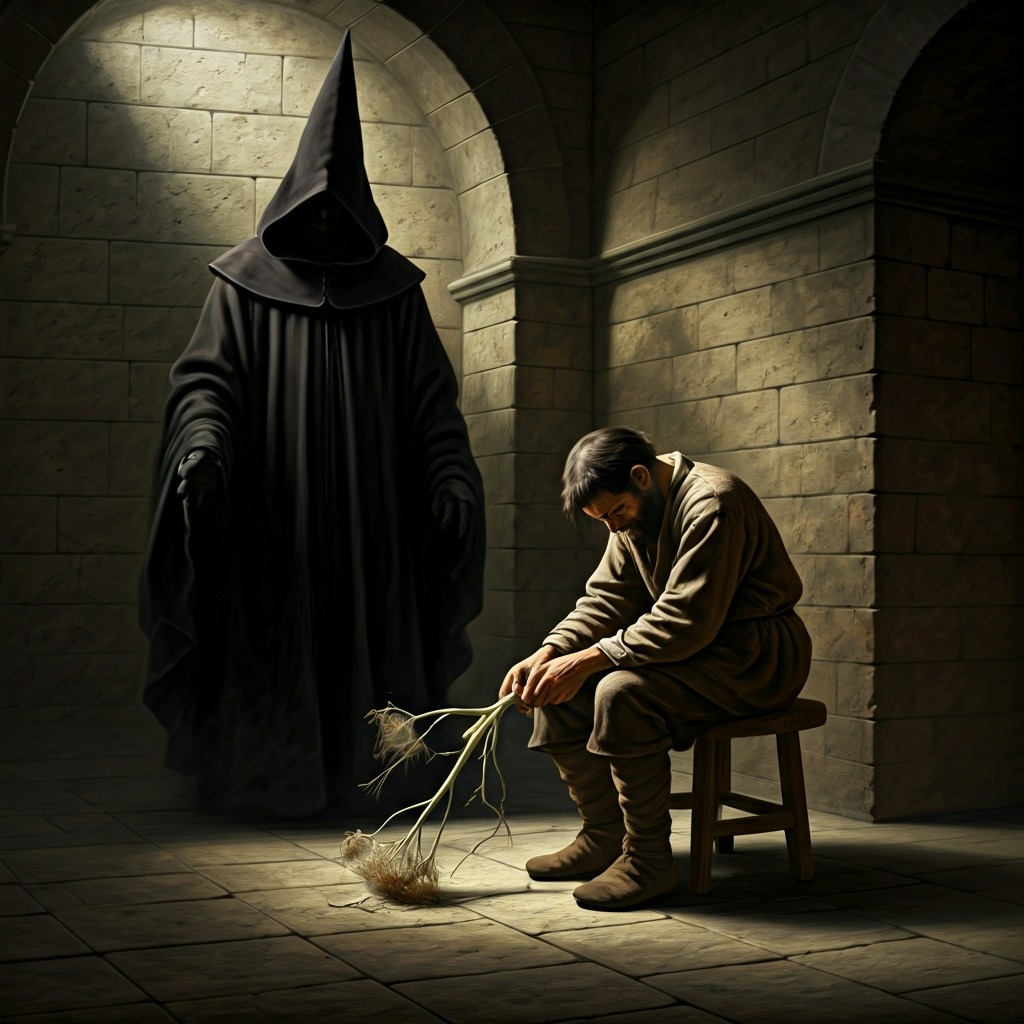
The weaponry of this cosmic clash was delightfully bizarre yet deadly serious. The Benandanti charged into the fray wielding stalks of fennel, a plant revered for its healing properties. The Malandanti struck back with stalks of sorghum, deeply tied to witchcraft.
The stakes were absolute. If the Good Walkers triumphed, the region would be blessed with a bountiful harvest. If they fell, devastating storms and famine would ravage their families. By day, they were humble peasants and local healers. By night, they were the undisputed saviors of Friuli.
The Inquisition’s Shadow
But a new, terrifying enemy was closing in—one that fought in the waking world.
In 1575, whispers of these nocturnal battles reached the ears of the Roman Inquisition. When inquisitors like Fra Felice da Montefalco arrived to interrogate the peasants, they were met with proud defiance. The Benandanti openly declared they were fighting for Christ, using their God-given magic to protect the innocent.
The inquisitors, however, were horrified. To the rigid, paranoid minds of the Counter-Reformation Church, there was no such thing as “good” magic. Spirit flight, animal transformation, and secret midnight gatherings sounded exactly like a demonic Witches’ Sabbath. The Church had found its target, and the trap was set.
The Ultimate Historical Gaslighting
What followed was one of the most tragic psychological campaigns in recorded history. The Inquisition didn’t simply execute the Benandanti; they subjected them to decades of relentless, suffocating pressure.
Through the looming threat of torture and endless, manipulative interrogations, the inquisitors began to forcefully rewrite reality. They insisted the Good Walkers were not holy protectors, but pawns deceived by the Devil.
Over fifty years, this psychological warfare shattered the Benandanti. By the 1620s, a devastating transformation was complete. Broken by the Inquisition’s relentless gaslighting, the descendants of the original dream warriors began confessing to attending the Devil’s Sabbath. They had been forced to believe they were the very monsters their ancestors had sworn to destroy.
This incredible saga was nearly erased from history until 1966, when Italian historian Carlo Ginzburg unearthed the original Inquisition transcripts for his groundbreaking book, The Night Battles. He revealed the Benandanti for what they truly were: the last remnants of an ancient, pre-Christian shamanic cult. They were a flicker of old magic that miraculously survived in an isolated pocket of Europe, only to be systematically extinguished by the dawn of the modern world.