In the 18th century, the great capitals of Europe were drowning in their own filth. London and Paris were festering cesspools where waste flowed freely through the streets, breeding devastating outbreaks of cholera and plague.
Halfway across the world, the Japanese capital of Edo (modern-day Tokyo) faced an even greater demographic nightmare. With a population swelling past one million, the city was a sprawling, tightly packed metropolis. By all conventional logic of urban planning, Edo should have been a ticking time bomb of disease.
Instead, it was spotless.
The secret to Edo’s pristine streets wasn’t a grand philosophical commitment to hygiene. It was a ruthless, fiercely guarded underground economy—one that sparked violent turf wars, birthed powerful cartels, and inadvertently saved millions of lives. The commodity at the center of this cutthroat trade? Human waste.
The Million-Person Ticking Time Bomb
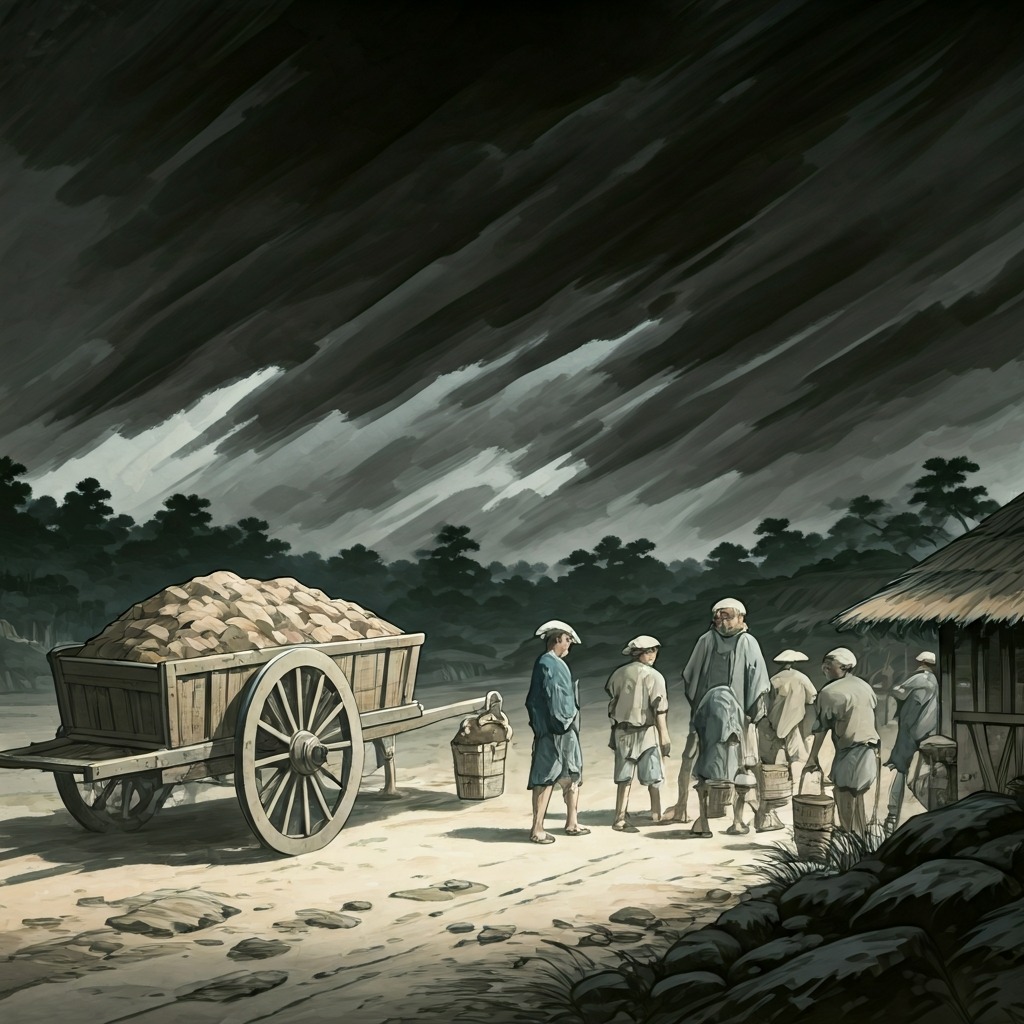
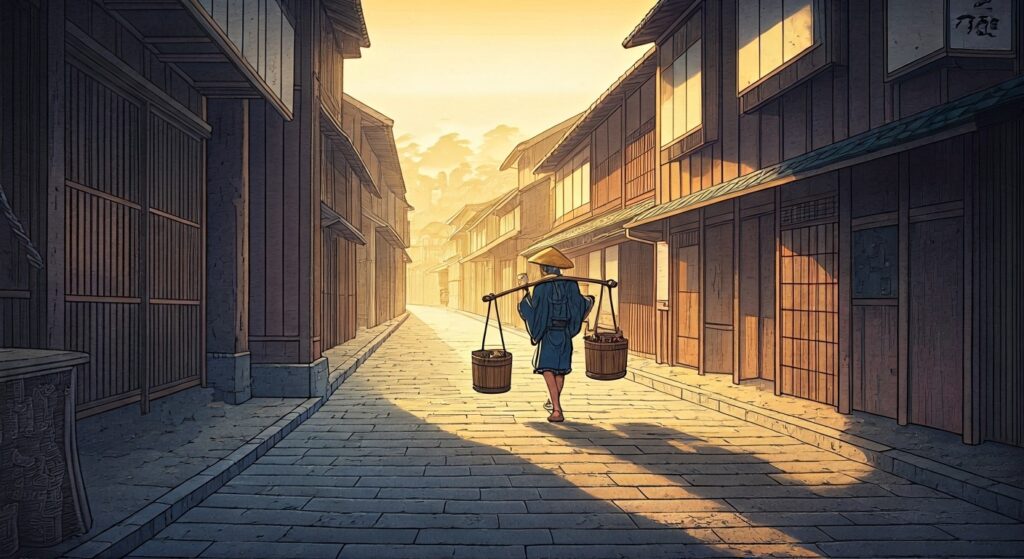
To feed a million mouths, the agricultural lands surrounding Edo required an astronomical amount of fertilizer. The solution was shimogoe—literally translated as “fertilizer from the bottom.” Night soil.
In Edo, human excrement wasn’t trash; it was liquid gold. The demand for shimogoe became a massive economic engine, so lucrative that it dictated the very contracts citizens signed to put a roof over their heads.
Liquid Gold and the Tenement Loophole
In the complex nagaya (tenement housing) systems of Edo, the rights to human waste were strictly delineated by law. If you rented an apartment, you didn’t own your own solid waste. The landlords retained absolute ownership rights to their tenants’ feces, which they harvested and sold to specialized brokers or directly to desperate farmers.
This was no mere side hustle. The income generated from selling tenant excrement was so substantial that it often surpassed the actual rent collected. However, in a bizarre compromise of feudal tenant rights, renters were sometimes allowed to keep and sell their own urine. In the hustle culture of Edo, stockpiling your own bodily fluids was a legitimate way to make ends meet.
The Aristocratic Vintage
Not all waste was created equal. The shimogoe market operated with the ruthless efficiency and tiered pricing of a modern commodities exchange.
The value of the night soil was directly correlated to the diet of the people producing it. The latrines of a wealthy daimyo (feudal lord) or high-ranking samurai were the undisputed premium vintage of the market. Because the elite consumed nutrient-rich diets, their waste produced significantly superior fertilizer, commanding exorbitant prices.
On the other end of the spectrum, waste collected from poorer neighborhoods or prisons was considered low-tier. The sparse diets of the lower classes meant their fertilizer lacked the necessary agricultural punch, and it was sold at a steep discount. In Edo, you literally were what you ate, and the open market priced you accordingly.
Turf Wars and the Shogun’s Peace
Whenever a commodity becomes this valuable, violence inevitably follows. As Japan’s agriculture expanded to keep pace with its booming population, the demand for fertilizer began to severely outstrip the supply. The price of night soil skyrocketed.
This led to intense, organized competition. Waste collectors in cities like Osaka and Edo formed ruthless guilds to protect their territories and establish iron-clad monopolies. Operating much like modern cartels, they guarded their collection routes with intimidation and brute force.
The tension finally boiled over in the 18th century. In one notable dispute in Osaka, farmers from surrounding villages decided they had suffered enough of the guilds’ price gouging and restricted access. They clashed violently with the city waste collectors in a full-blown turf war over feces. The situation escalated to the point where the shogunate magistrate had to personally intervene, quelling the violence and negotiating a formal peace treaty over poop.
An Accidental Utopia
The sheer greed and economic drive behind the shimogoe trade had a brilliant, unintended consequence.
Because every single ounce of human waste was a valuable commodity, it was meticulously collected and removed from the city. Nothing was left to rot in the streets. Nothing was allowed to seep into the drinking water. While the rest of the world was battling rampant plagues born of their own filth, Edo’s cutthroat waste cartels had accidentally created an early, highly effective model of urban sanitation and ecological recycling.
It is a perfect, striking reminder that sometimes, the most profound advancements in human history aren’t driven by grand ideals or benevolent leaders. Sometimes, they are driven by landlords and brokers fiercely guarding their right to sell the absolute bottom of the barrel.