We tend to view modern dental care as a triumph of the 20th century. It is easy to imagine that before the invention of the nylon-bristled toothbrush in the 1930s, our ancestors were wandering the ancient world with rotting teeth and agonizing cavities, desperately waiting for modern science to save them.
But the archaeological record tells a vastly different, far more mysterious story.
If you were to examine the skulls of certain ancient populations, you wouldn’t find a landscape of decay. Instead, you would find surprisingly pristine, disease-free teeth. How did ancient humans keep their teeth from rotting out of their skulls millennia before the first dental clinic opened its doors? The ultimate oral hygiene tool wasn’t engineered in a sterile modern laboratory. It was pulled straight from the scorching desert sands over 5,000 years ago.
The Secret in the Sand
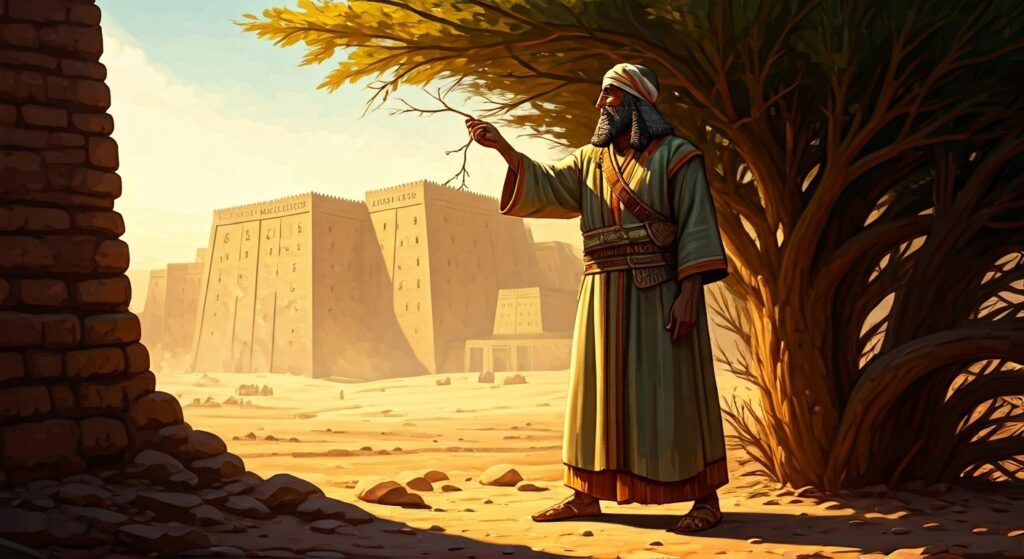
Long before minty pastes and vibrating electric brushes, the ancient Babylonians of 3500 BC stumbled upon a biological marvel. They didn’t have dentists, but they had the Salvadora persica, a desert shrub commonly known as the arak tree.
To the untrained eye, the roots and branches of this tree look like ordinary, unassuming twigs. But the Babylonians—and soon after, the ancient Egyptians, Greeks, and Romans—discovered that snapping off a branch of this specific tree unleashed a potent, protective magic for the mouth. They called it the miswak.
It wasn’t just a piece of wood. It was a natural, pocket-sized pharmacy.
A Microscopic Miracle
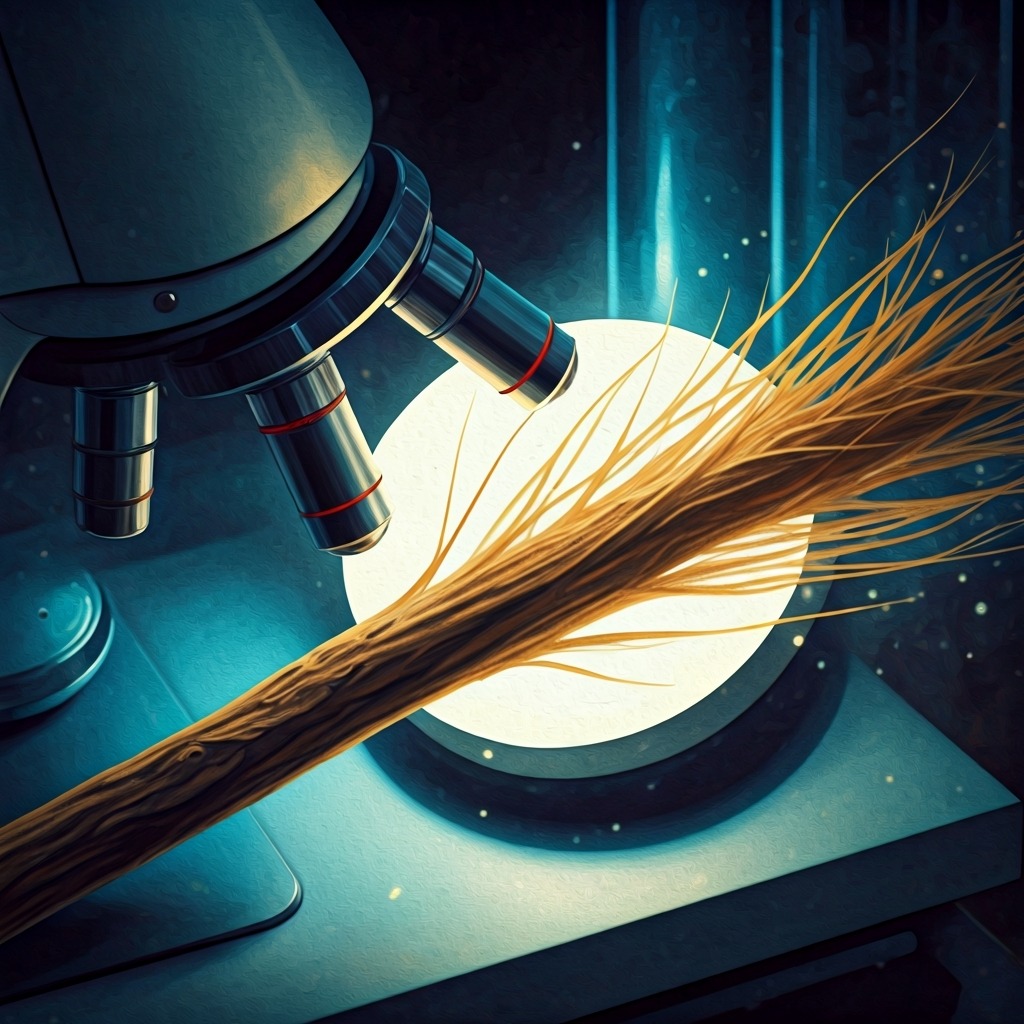
If you were to take a miswak twig into a modern laboratory today, you would uncover a complex array of chemical compounds that put most over-the-counter toothpastes to shame.
When you strip away the bark at one end of the twig and chew on the inner fibers, they separate and soften, forming a perfectly frayed, brush-like tuft. But the mechanical brushing is only half of the ancient genius. As you chew, the miswak releases its natural sap—a sap that acts as toothpaste, mouthwash, and medicine all at once.
This sap is laced with natural fluoride and silica, acting as a gentle abrasive to lift stains without destroying enamel. It bleeds vitamin C to heal and repair damaged gum tissue. It releases natural resins that coat the teeth, forming a physical shield against decay. Most incredibly, it contains salvadorine, a powerful alkaloid that acts as a bactericide, actively hunting down and neutralizing the specific bacteria that cause gum disease. As if that wasn’t enough, the twig’s essential oils stimulate saliva production, creating a built-in, natural mouthwash.
The ancients didn’t know the chemical names of these compounds, but they knew the undeniable results: clean teeth, fresh breath, and a disease-free mouth.
An Empire of Pristine Teeth
While the Babylonians may have discovered it, the miswak truly became a global phenomenon during the 7th century.
During the Islamic Golden Age, a deeply practical approach to health and medicine swept through the Middle East. The Prophet Muhammad recognized the undeniable health benefits of the arak tree and strongly advocated for its use. He elevated the simple act of brushing one’s teeth to a Sunnah—a recommended, highly regarded practice in Islam.
Overnight, the miswak transformed from a clever desert survival hack into a daily, non-negotiable ritual. It became standard practice to use the miswak before the five daily prayers, before going to sleep, and immediately upon waking. By intertwining spiritual purity with physical hygiene, an entire civilization achieved a standard of dental health that Europe wouldn’t see for centuries.
Science Bows to the Ancients
For a long time, the Western world dismissed traditional tools like the miswak as primitive folklore. But the truth has a funny way of demanding to be seen.
In the late 20th century, dental researchers finally put the ancient twig under the microscope. The results were so undeniable that the World Health Organization (WHO) formally recognized and recommended the use of the miswak in 1986, doubling down on their recommendation in 2000.
Study after study has revealed a stunning conclusion: when used correctly, the 5,000-year-old miswak is as effective, if not more so, than a standard modern toothbrush in reducing dental plaque and gingivitis. It bridges a massive gap between ancient traditional medicine and modern dental science, proving that sometimes, our ancestors absolutely knew best.
So, the next time you find yourself aggressively scrubbing your teeth with a piece of mass-produced plastic, take a moment to appreciate the ancients. They figured out a zero-waste, highly effective, all-natural dental routine millennia before we did.