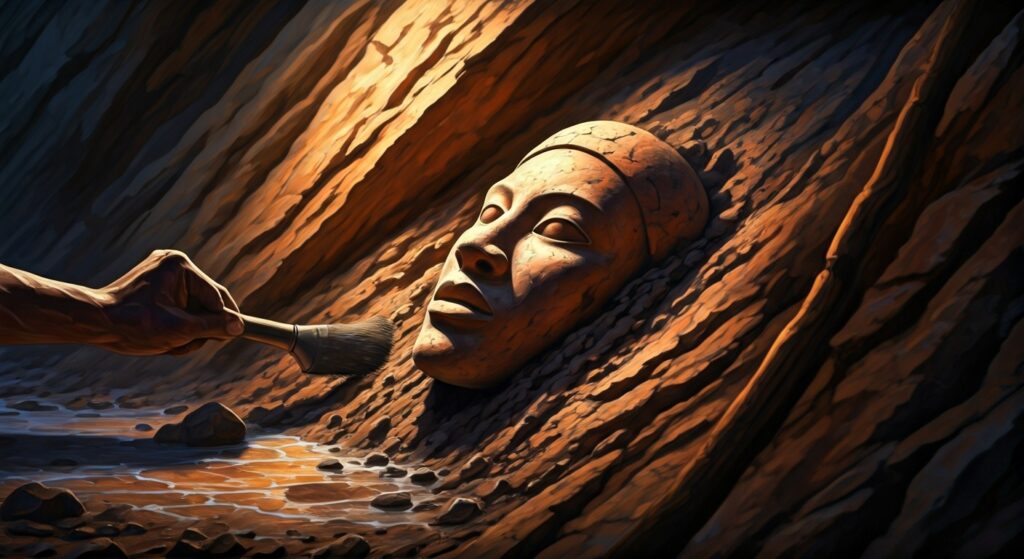
In 1928, deep in the alluvial deposits of central Nigeria, a crew of tin miners expected to find nothing but ore and dirt. Instead, they struck something hard. As they brushed away the damp soil, a face stared back at them.
It was a terracotta head, unlike anything ever unearthed. It possessed deeply pierced, triangular eyes, flared nostrils, and slightly parted lips. The miners didn’t know it at the time, but they had just stumbled upon the ghost of a highly advanced, enigmatic civilization that ruled the region for two millennia.
Welcome to the world of the Nok—a society of brilliant engineers and master artisans whose sudden, mysterious disappearance still keeps archaeologists awake at night.
The Faces in the Dirt
For years, the terracotta faces remained an isolated curiosity. It wasn’t until the 1940s that English archaeologist Bernard Fagg began systematically collecting and studying these artifacts, realizing they were not just a random assortment of clay pots. They were the remnants of a highly organized, previously unknown culture.
Modern thermoluminescence dating has since pushed the origins of the Nok back to 1500 BC, revealing a society that thrived deep into antiquity. But it wasn’t just their age that stunned researchers; it was their breathtaking, almost impossible level of technological sophistication.
Master Chefs of the Open Flame
The Nok didn’t just make small trinkets. They crafted near life-sized, hollow terracotta figures. From an engineering standpoint, this is incredibly difficult. If you attempt to fire a massive, hollow clay sculpture in an open-pit fire—without the controlled, gradual temperature increases of a modern kiln—it will almost certainly explode into shrapnel.
So, how did a civilization in 1500 BC pull this off?
The Nok were absolute masters of pyrotechnology. They perfected a precise recipe of clay mixed with “grog” (pre-fired, crushed clay) to ensure uniform thickness and prevent the sculptures from shrinking or cracking under intense heat.
Even more brilliantly, those deeply pierced eyes, nostrils, and mouths that give the Nok figures their iconic, haunting look were not merely aesthetic choices. Those holes served a crucial structural purpose, acting as exhaust vents to allow hot air to escape during the firing process. It was a perfect marriage of breathtaking art and brilliant engineering.
The Civilization That Skipped Bronze
As if their mastery of clay wasn’t enough to secure their spot in the ancient hall of fame, the Nok were also technological trailblazers in metallurgy.
Most ancient civilizations followed a standard, predictable technological progression: Stone Age, Copper Age, Bronze Age, Iron Age. The Nok completely defied this timeline. They are one of the earliest known societies in the world to transition directly from stone tools to iron smelting.
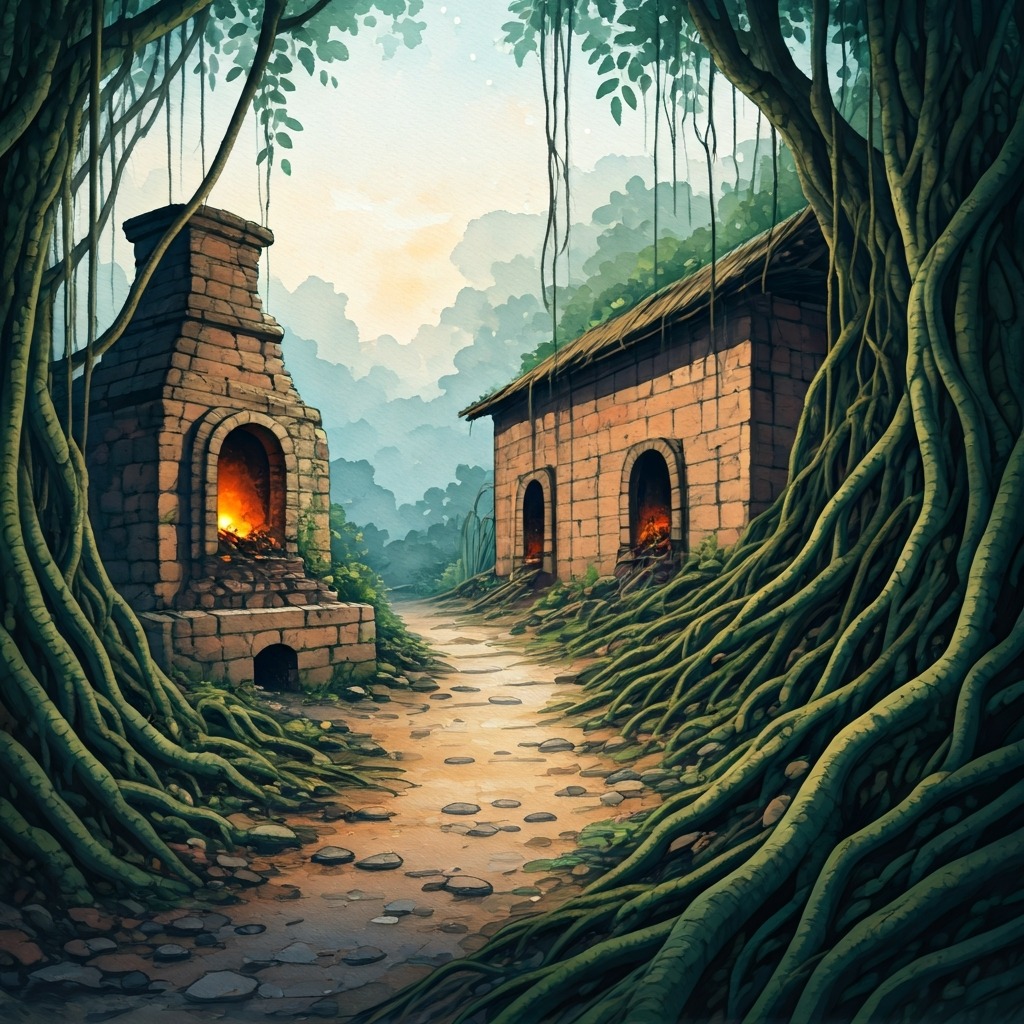
Archaeologists have unearthed iron smelting furnaces dating back to 500 BC right alongside the terracotta figures. The Nok possessed a profound, almost intimidating understanding of heat and chemistry, transforming raw earth into indestructible tools and weapons while the rest of the world was still experimenting with softer metals.
A Sudden, Silent Vanishing Act
Despite their brilliance, the Nok left us with a maddening puzzle. What were these magnificent terracottas actually used for?
Because many of the figures were found washed into riverbeds and tin deposits rather than in their original locations, their context was literally washed away. Some scholars believe they were grave markers for the elite. Others argue they were representations of ancestors or deities. Given that some figures depict individuals afflicted with physical ailments like elephantiasis, they might have been powerful healing amulets or talismans used by shamans.
And then, around 500 AD, the Nok simply vanished.
Did they burn through their natural resources, cutting down too many trees to fuel their massive iron-smelting furnaces and terracotta fires? Was there a catastrophic shift in the climate? A devastating pandemic? Or did they just gradually assimilate into neighboring cultures? The earth swallowed their cities, keeping their final days a closely guarded secret.
The Plundered Legacy
The Nok aesthetic didn’t die with them. Art historians widely agree that their striking style laid the foundation for later West African artistic traditions, heavily influencing the legendary brass and terracotta heads of the Kingdom of Ife and the Benin bronzes.
Tragically, the mystery of the Nok has been actively sabotaged in our own lifetime. In the 1990s and early 2000s, a massive surge in demand on the international antiquities market led to the ruthless looting of hundreds of unexcavated Nok sites. Artifacts were ripped from the ground, stripping them of their archaeological context and destroying the historical data that could have finally answered our questions. Today, these irreplaceable artifacts are heavily protected, featuring prominently on the International Council of Museums (ICOM) Red List of West African cultural objects at risk.
The Nok were a people of fire, earth, and iron. They built a society that defied the technological limits of their time, leaving behind faces in the clay that still captivate us thousands of years later. We might not have all the answers to their story just yet, but the whispers of the ancients are etched into every terracotta smile—if only we know how to listen.