The arid, wind-swept desert of the Paracas peninsula on Peru’s southern coast hides its secrets well. But beneath the shifting sands lies a discovery that has captivated archaeologists, baffled the public, and fueled some of the wildest conspiracy theories of the modern era. The truth of the Paracas Skulls is a masterclass in human ingenuity, extreme devotion, and the bizarre lengths to which people will go to achieve god-like status.
Unearthed in the Sands of Cerro Colorado
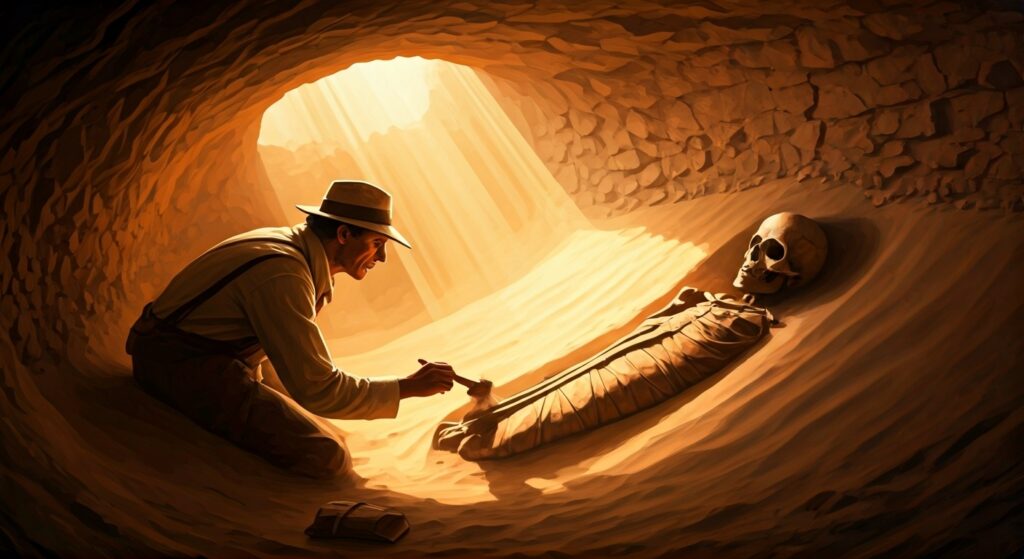
The mystery began in 1928. Renowned Peruvian archaeologist Julio C. Tello was excavating a massive, complex necropolis known as Cerro Colorado. As his team dug through the sun-baked earth, they unearthed something breathtaking: elaborate tombs containing hundreds of mummy bundles.
These individuals, belonging to the ancient Paracas culture (dating between 800 BCE and 100 BCE), were wrapped in some of the most intricate textiles ever discovered in the pre-Columbian Americas. But it wasn’t the breathtaking fabrics that made global headlines.
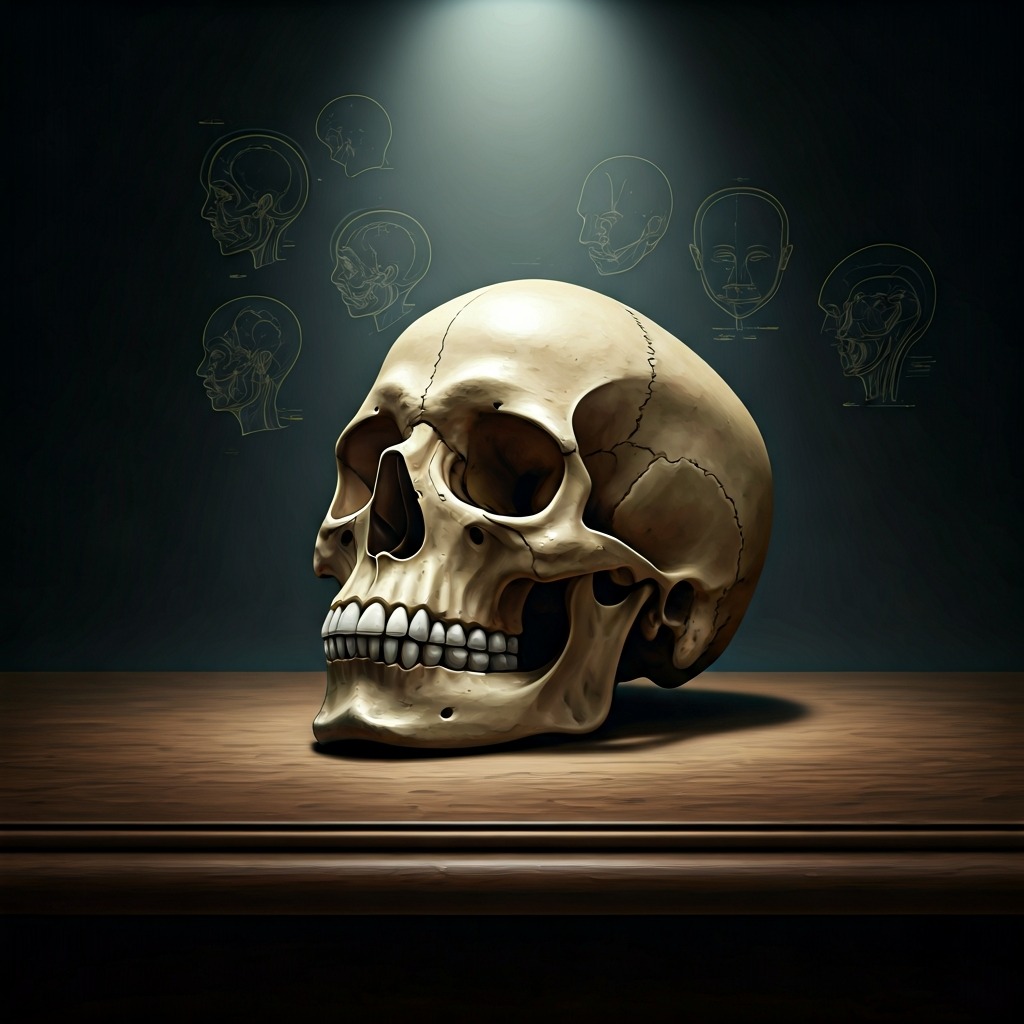
When Tello unwrapped the remains, he was greeted by a jarring, almost terrifying sight. The skulls staring back at him exhibited extreme, dramatic elongation. They stretched upward and backward, defying the natural shape of the human head.
The Anatomy of an Elite
How does a human skull end up looking like a stretched melon?
The answer lies not in the stars, but in a widespread, ancient cultural practice known as artificial cranial deformation. To achieve this striking aesthetic, the Paracas people began the grueling process just days after a child was born. Because an infant’s cranial bones are incredibly soft and pliable, they can be molded. Caregivers would tightly bind the baby’s head using wooden boards, padded cushions, and tight cloth wrappings.
Over the course of several months to years, the skull was forced to grow in a specific, elongated direction. Anthropologists believe this extreme body modification was a visual marker of high social status, nobility, or a fierce tribal identity. In a world without luxury cars or designer labels, permanently reshaping your skeleton was the ultimate way to distinguish the ruling elite from the common populace.
The Extraterrestrial Hijacking
In recent decades, pseudo-archaeologists and ancient alien enthusiasts have attempted to hijack the Paracas skulls to push a completely fabricated narrative.
Conspiracy theorists have propagated wild claims that these elongated skulls are extraterrestrial, or perhaps belong to a mythical race of “Nephilim.” To back up their claims, they argue that the skulls have a cranial capacity up to 25 percent larger and 60 percent heavier than a regular human skull. They also point to a mysterious anatomical anomaly: the skulls are missing the sagittal suture—the connective tissue joint between the two parietal bones at the top of the head. To top it all off, they claim that “independent” DNA tests revealed unknown, non-human genetic markers.
It sounds like the perfect plot for a sci-fi thriller. But the science tells a very different story.
The Truth is in the Bones
These sensational claims have been thoroughly debunked by mainstream scientists, bioarchaeologists, and geneticists.
First, consider the size. Artificial cranial deformation changes the shape of the skull, not its volume. Any perceived increase in size or weight falls entirely within the natural spectrum of human biological variation, especially when factoring in the robust physical traits of certain ancient Andean populations. You can squeeze a balloon into a different shape, but you aren’t adding more air to it.
What about that “missing” sagittal suture? This is a well-documented medical condition called craniosynostosis, where the sutures fuse prematurely. Furthermore, the extreme, sustained trauma of head binding can cause sutures to obliterate or fuse differently as the bone struggles to adapt to immense pressure.
As for the “alien DNA”? The genetic testing touted by conspiracy theorists lacked a verifiable chain of custody, was never submitted for peer review, and was conducted by individuals with vested financial interests in selling the ancient alien narrative. Legitimate anthropological and genetic analyses have definitively confirmed that the Paracas skulls are 100 percent human and belong entirely to the indigenous populations of the Americas.
The true story of the Paracas skulls doesn’t need aliens to be fascinating. It is a testament to complex social hierarchies, intense cultural aesthetics, and the profound, sometimes shocking ways human beings have sought to define themselves.