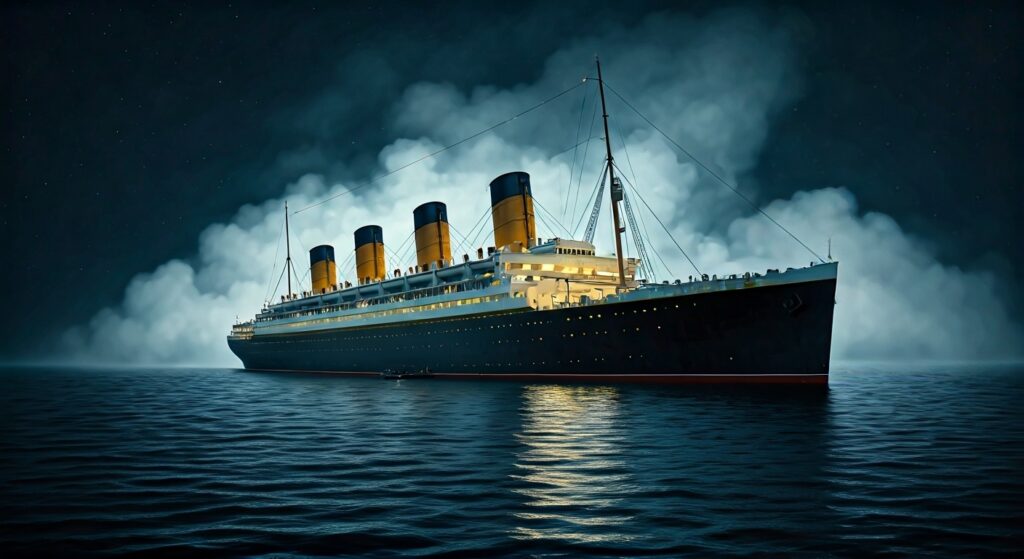
The night of May 28, 1914, was crystal clear as the RMS Empress of Ireland glided down the St. Lawrence River. A marvel of Edwardian luxury, the massive ocean liner was on her 96th transatlantic voyage, bound for Liverpool. At the helm stood Captain Henry George Kendall, a celebrated mariner who had recently achieved global fame for capturing a notorious fugitive at sea. Kendall knew his ship, and he knew these waters.
But the St. Lawrence is a treacherous, unpredictable beast. By the early hours of May 29, a thick, rolling fog swallowed the river, dropping visibility to absolute zero. What followed was not just the worst peacetime maritime disaster in Canadian history—claiming 1,012 lives—but a tragedy so horrifying it was deliberately buried by time.
A Fatal Game of Blind Man’s Bluff
Before the fog descended, the Empress had spotted the masthead lights of another vessel miles away: the SS Storstad, a heavily armored Norwegian coal freighter. As the blinding mist rolled in, the two massive steel leviathans were stripped of their sight. They were forced to navigate the freezing darkness using only whistle blasts.
Captain Kendall ordered the Empress to a dead halt, sounding three blasts to signal his stationary position in the water. Miles away, the Storstad’s Chief Officer heard the whistles, but the dense fog distorted their origin. Believing the passenger liner was moving safely to his port side, he altered the freighter’s course.
He was steering thousands of tons of reinforced steel directly toward the broadside of the stationary Empress.
The Chisel and the Sea
At 1:55 a.m., the nightmare materialized. The Storstad emerged from the wall of fog like a phantom, its ice-breaking bow aimed squarely at the Empress’s starboard side. Captain Kendall screamed through a megaphone for the freighter to reverse its engines, but momentum is a cruel master.
The collier slammed into the luxury liner right between her massive funnels. The Storstad’s reinforced hull acted like a gigantic steel chisel, tearing a catastrophic 14-foot gash below the Empress’s waterline.
Then came the fatal blow: the Storstad backed out. By removing its bow from the hull, it effectively unplugged the wound. The freezing waters of the St. Lawrence roared into the Empress at an incomprehensible rate of 60,000 gallons per second.
Fourteen Minutes of Hell
When the Titanic struck an iceberg two years prior, it took over two hours and forty minutes to sink. The Empress of Ireland was swallowed in a mere 14 minutes.
The sheer speed of the flooding unleashed total chaos. Water instantly drowned the boiler rooms, killing the power and plunging the sinking ship into pitch blackness. A severe starboard list developed in seconds, rendering the lifeboats utterly useless. Port-side boats crashed inward across the deck, while starboard boats swung out too far over the black water to board.
Compounding the horror was a tragic, everyday human error. Despite strict maritime regulations, many passengers had opened their cabin portholes to let in the fresh night air. As the ship rolled onto its side, those open portholes dipped below the waterline, allowing the river to pour directly into the sleeping quarters. Hundreds of passengers, trapped in the dark, flooding labyrinth of the lower decks, never even had a chance to wake up.
Captain Kendall was thrown from the bridge as the Empress rolled over and slipped beneath the surface. He survived by clinging to a wooden grate in the freezing dark, but 1,012 souls—including 167 members of a traveling Salvation Army band—went down with the ship.
Swallowed by the Trenches of Time
The aftermath was a bitter, confusing mess of international finger-pointing. A Canadian inquiry blamed the Storstad, while a Norwegian inquiry completely exonerated the freighter and blamed Captain Kendall.
But the world didn’t have time to mourn the Empress of Ireland. Exactly one month later, Archduke Franz Ferdinand was assassinated. By August, the globe was consumed by the fires of the First World War. The loss of a thousand lives on a foggy Canadian river was quickly buried beneath the millions of casualties in the trenches of Europe.
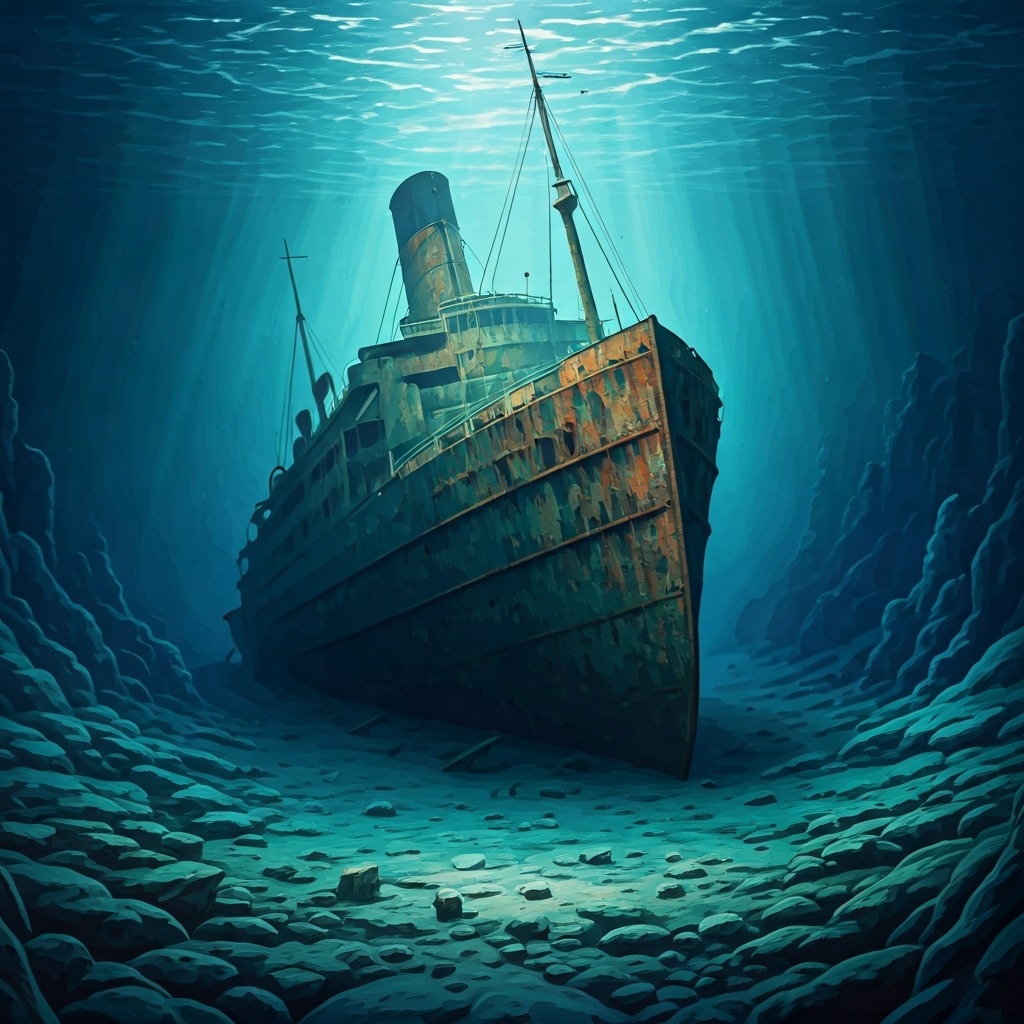
Today, the wreck of the Empress of Ireland lies in 130 feet of freezing, fast-moving water. It rests in the dark as a silent monument to a monumental tragedy, a chilling reminder that nature cares nothing for luxury or unsinkable designs. One thick fog and one misunderstood whistle are all it takes to turn a floating palace into a tomb.