The slippery, fragrant bar of soap sitting in your shower feels like the ultimate modern comfort. But its origins are far darker, harsher, and more industrial than the lavender-scented lather we know today. The story of soap doesn’t begin in a luxurious spa. It begins in the smoke-choked cradle of civilization, with a violent chemical reaction and a recipe written in ash and bone.
The Mystery in the Clay
Imagine the scene: It is 2800 BC in ancient Babylon. The air is thick with the smoke of wood fires and the heavy, stomach-churning scent of rendering animal fat. Millennia later, archaeologists sifting through the sands of this exact region would unearth something entirely unexpected.
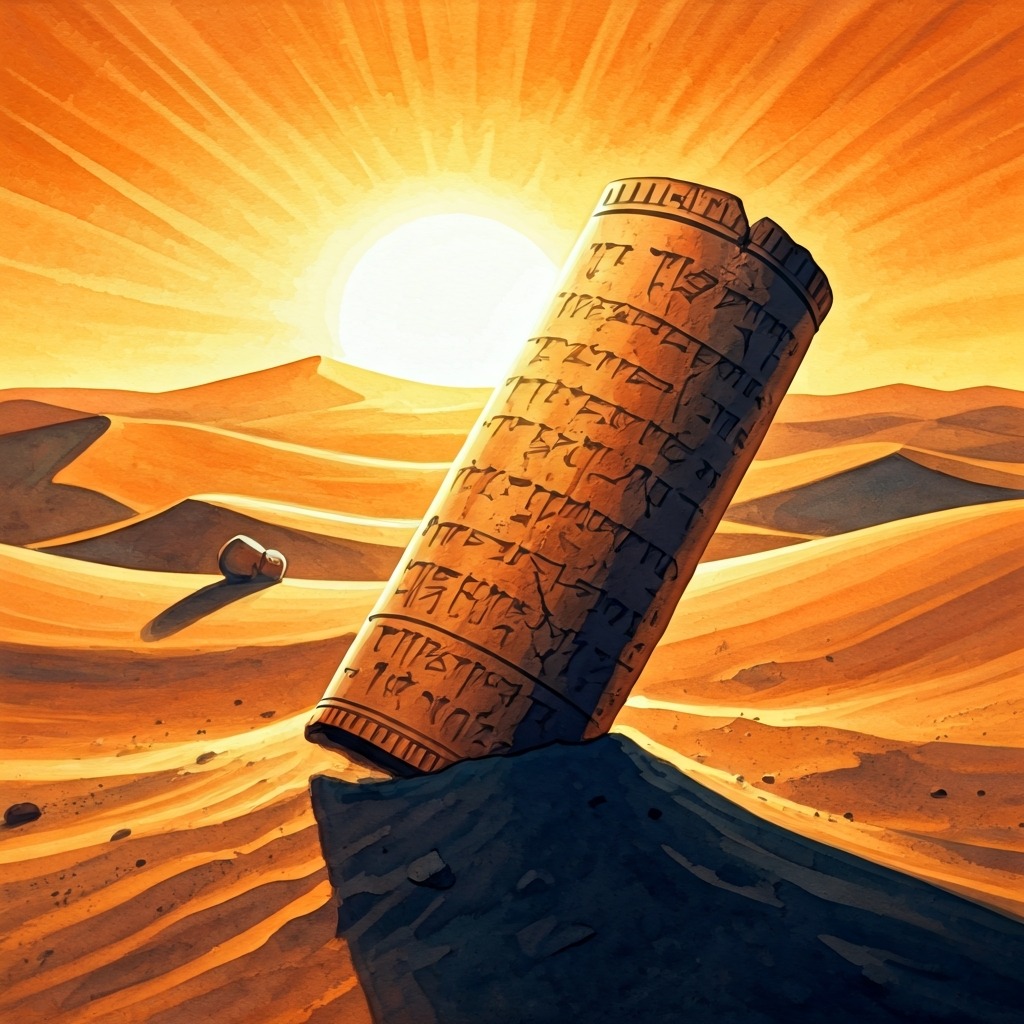
They didn’t find gold, lapis lazuli, or royal decrees. Instead, they discovered unassuming clay cylinders. Inside these ancient vessels was a hardened, mysterious material. But it was the cuneiform etched into the outside of the clay that made historians catch their collective breath.
They had just found the earliest known chemical recipe in human history.
A Brew of Ash and Bone
What exactly were the Babylonians brewing in those ancient vats? The inscription detailed a crude but highly effective mixture. It called for the boiling of animal fats—specifically tallow—with water and wood ash.
This wasn’t just ancient cooking; it was brilliant, foundational science. The wood ash provided potash, a highly alkaline substance. When this alkali met the fatty acids of the boiling animal fat, it triggered a violent, transformative chemical reaction. Today, we call this process saponification.
The science only grew more refined over the centuries. A later Sumerian tablet from approximately 2200 BC corroborates this early chemistry, detailing a slightly upgraded mixture of water, alkali, and aromatic cassia oil.
The Flesh-Searing Truth
You might be picturing ancient Mesopotamians enjoying luxurious, sudsy baths. Think again.
If you rubbed this Babylonian creation on your face, you wouldn’t feel refreshed. You would probably scream. This early soap was highly alkaline, abrasive, and incredibly harsh. The Babylonians and Sumerians didn’t view their creation through the lens of personal hygiene. To them, it was a strictly industrial tool.
Mesopotamia had a booming, highly lucrative textile industry. Before raw wool and cotton could be dyed and woven into brilliant garments, they had to be stripped of their natural, stubborn greases. This fat-and-ash mixture was the ultimate ancient degreaser, formulated to clean raw textiles on a massive scale.
But its searing power didn’t stop at the loom. Ancient texts reveal that this harsh substance also caught the attention of early physicians and priests. They realized that whatever this stinging paste was, it eradicated impurities. They began using it as a potent medical treatment to scour deep wounds, treat severe skin diseases, and prepare medicinal salves.
Scraping Away the Past
If the Babylonians weren’t lathering up in the bath with their newly invented soap, how on earth did they get clean?
Much like the Greeks and Romans who would follow them centuries later, the people of ancient Mesopotamia preferred a method that sounds more like a woodworking technique than a skincare routine. They cleansed themselves by slathering their skin in scented oils, then literally scraping off the dirt, sweat, and dead skin with a curved metal tool called a strigil. For tougher grime, they rubbed their bodies with natural abrasives like pumice and fine sand.
It would take thousands of years for soap to evolve from a searing industrial degreaser and medicinal salve into the gentle, moisturizing bars we buy today. Yet, the next time you step into the shower, take a look at your soap. The fundamental chemistry—that magical, transformative reaction of saponification—is the exact same scientific principle discovered by a Babylonian chemist over 4,800 years ago.