Forget the velvet capes, the aristocratic charm, and the gothic romance of Bram Stoker’s Dracula. If you want a truly chilling story of the undead, you must strip away the Hollywood glamour and travel to the grim, frostbitten farmlands of 18th and 19th-century America.
Welcome to the New England Vampire Panic.
The Monster in the Frost
When we picture vampires, we envision wealthy counts lurking in crumbling European castles. But the “vampires” of Rhode Island, Connecticut, and Vermont were entirely different. They were ordinary farmers, devoted mothers, and young students.
At the core of this widespread macabre phenomenon was not a supernatural curse, but a desperate, terrifying struggle against a very real monster: tuberculosis, then known universally as “consumption.”
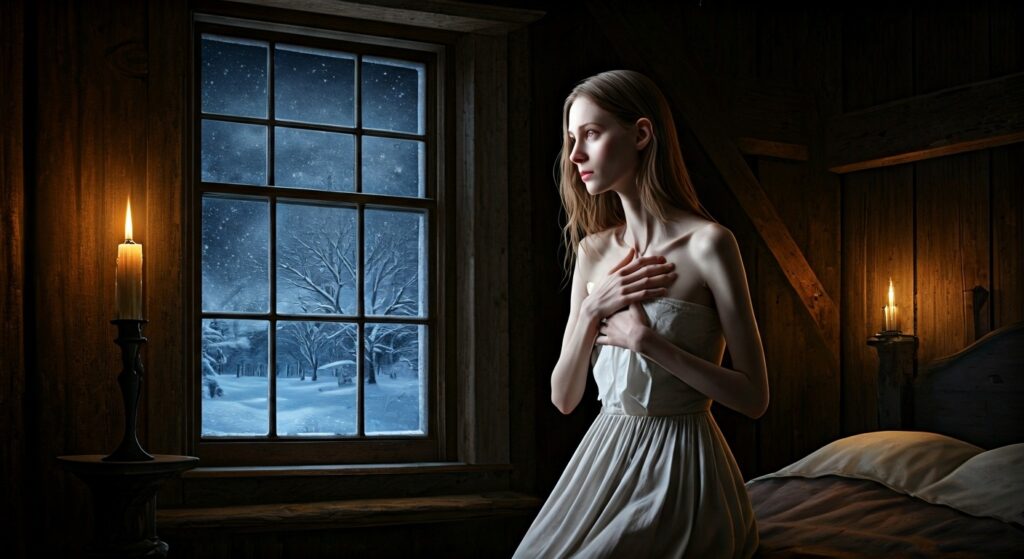
To understand the sheer terror of this era, you must understand the disease. Consumption was devastating. It didn’t strike quickly; it caused its victims to slowly, agonizingly waste away. They coughed up blood, their skin grew pale and translucent, and their bodies became emaciated. To the horrified families watching their loved ones fade, it looked exactly as though their very life force was being systematically drained by an unseen entity.
A Thief of Breath and Blood
Because germ theory was not yet widely accepted by the medical community—let alone by isolated rural farmers—these communities needed an explanation for why entire families were being wiped out one by one.
A grim, folkloric theory began to take root: the first family member to die of the wasting disease wasn’t truly resting in peace. Instead, they were returning from the grave under the cover of night to feed on the vitality of their surviving, sickening relatives.
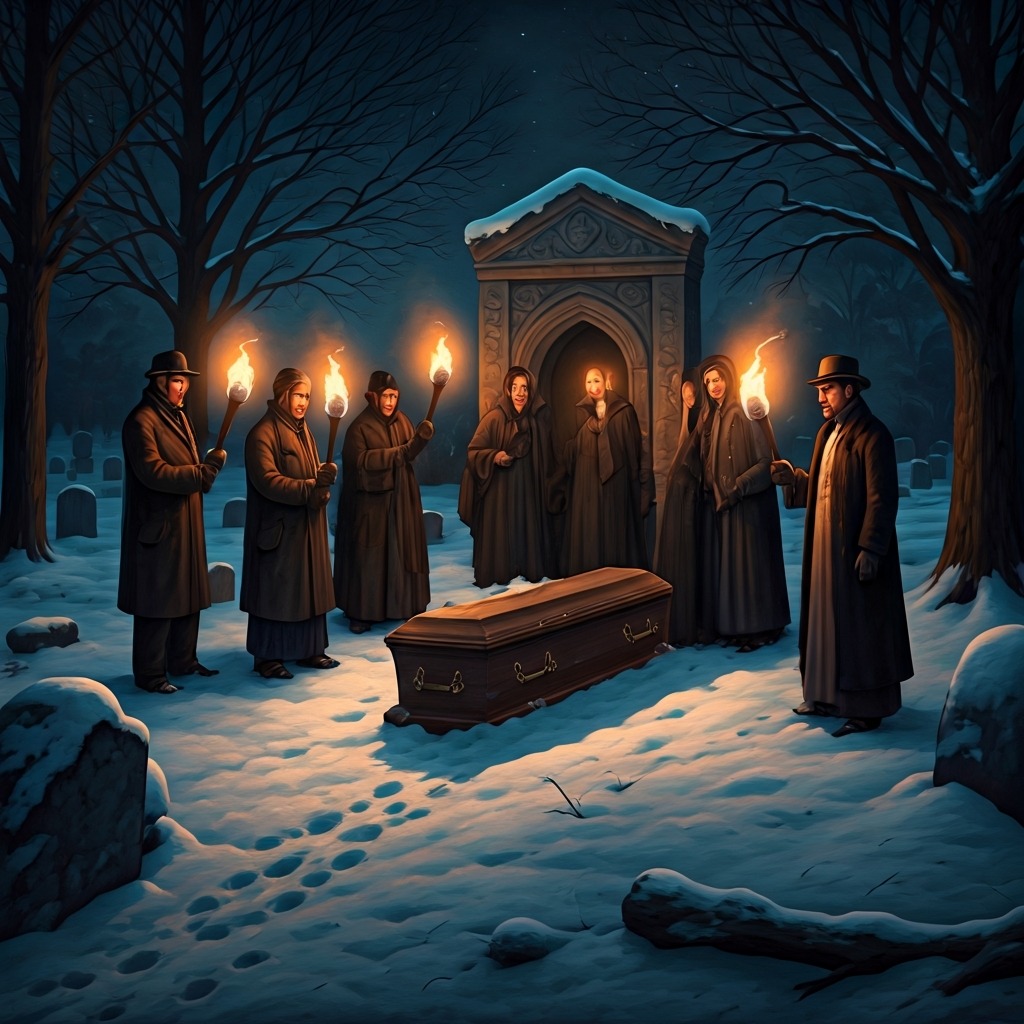
When a family was struck by multiple cases of consumption, panic set in. And panic breeds unimaginable actions. To stop the spread of the illness, these deeply religious communities engaged in terrifying exhumation rituals. They gathered their shovels, marched into the graveyard, and dug up their own deceased loved ones.
The Macabre Cure
What exactly were they looking for when they pried open those wooden coffins? Signs of “unnatural preservation.”
If a corpse exhibited liquid blood in the heart or organs, bloating, or if the body had shifted in the coffin, the townspeople believed they had found their vampire. Today, modern forensic science recognizes these exact signs as completely normal stages of human decomposition. But to a terrified 19th-century farmer, a bloated corpse with fresh-looking blood in its heart was undeniable proof of the undead.
Once a corpse was deemed a vampire, the ritual that followed was nothing short of gruesome. The community would remove the deceased’s heart and liver and burn them to ashes. But they didn’t stop there. In a desperate bid to cure the living, they would often mix those ashes into a morbid tonic for the sick relatives to drink, or force the afflicted to inhale the foul smoke from the burning organs.
The Tragedy of Mercy Brown
The most famous—and arguably most heartbreaking—case of this era occurred in Exeter, Rhode Island, in 1892. It centers on a young woman named Mercy Lena Brown.
The Brown family had been decimated by consumption. After Mercy’s mother and sister died of the disease, young Mercy herself succumbed to it. Shortly after her death, her brother Edwin fell gravely ill. Terrified of the disease claiming yet another life, the townspeople exhumed the deceased women of the family.
Because Mercy had died in the dead of winter, her body had been kept in a freezing above-ground crypt. When they opened her casket, her body appeared remarkably well-preserved, and they found liquid blood in her heart. To the townspeople, the cold, hard proof was right in front of them: Mercy was the vampire draining Edwin.
Her heart and liver were removed and burned to ashes. Those ashes were then mixed into a draught and fed to Edwin. Tragically, the morbid cure did nothing to stop the bacterial infection ravaging his lungs. Edwin died two months later.
Desperation, Not Darkness
Mercy Brown was far from the only victim of this panic. In 1817, the heart of Frederick Ransom—a young Dartmouth student from Vermont—was burned on a blacksmith’s forge to save his family. In 1854, the Ray family in Jewett City, Connecticut, exhumed their own deceased relatives in a desperate bid to save the rest of their household.
Looking back, it is incredibly easy to judge these people as ignorant or superstitious. But from a sociological perspective, these grim exhumations were never born of malice, witchcraft, or occult worship. They were born of profound, earth-shattering grief.
The New England Vampire Panic highlights the extreme, unthinkable lengths to which people will go to protect their loved ones when faced with an incomprehensible and incurable medical terror. It stands as a fascinating, tragic intersection of folklore, medical history, and the human psychological response to epidemic disease.
It reminds us that sometimes, the most terrifying monsters aren’t hiding under the bed or lurking in a Transylvanian castle. Sometimes, the real horror is just a microscopic bacterium, and the desperate, breaking hearts of the people left behind.