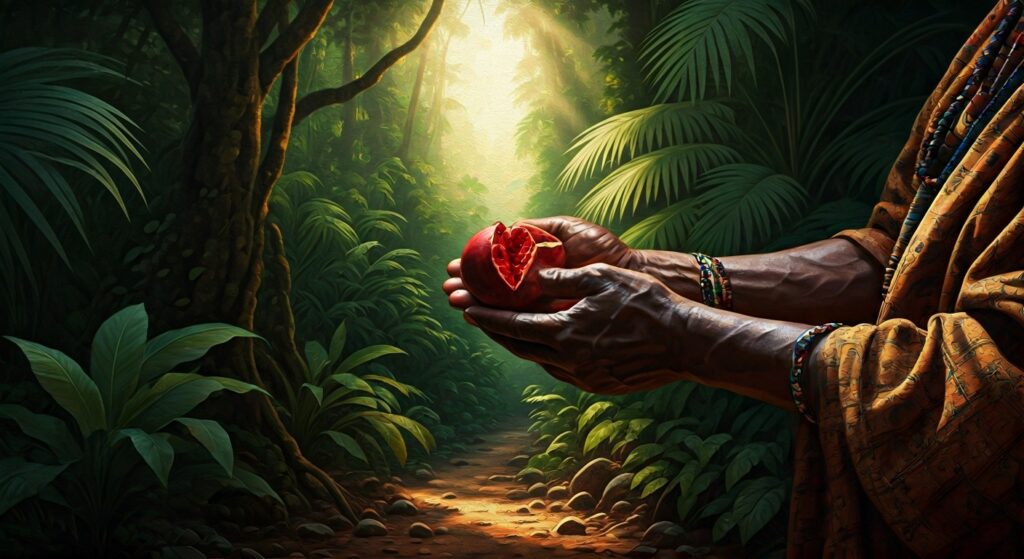
Hidden deep within the lush tropical rainforests of West Africa grows an unassuming seed that changed the course of human history. It is not gold, silk, or diamonds. Yet, this single botanical treasure fueled the rise of vast desert empires, survived the most harrowing transatlantic journeys ever recorded, and ultimately became the foundational ingredient for a billion-dollar global monopoly.
This is the riveting, untold saga of the kola nut.
The Sacred Seed of the Rainforest
Long before it was fizzing in a glass over ice, the kola nut—the seed of the Cola acuminata and Cola nitida trees—held immense cultural and spiritual power. Across West African societies like the Igbo, Yoruba, and Hausa, the nut was a booming declaration of respect, unity, and life.
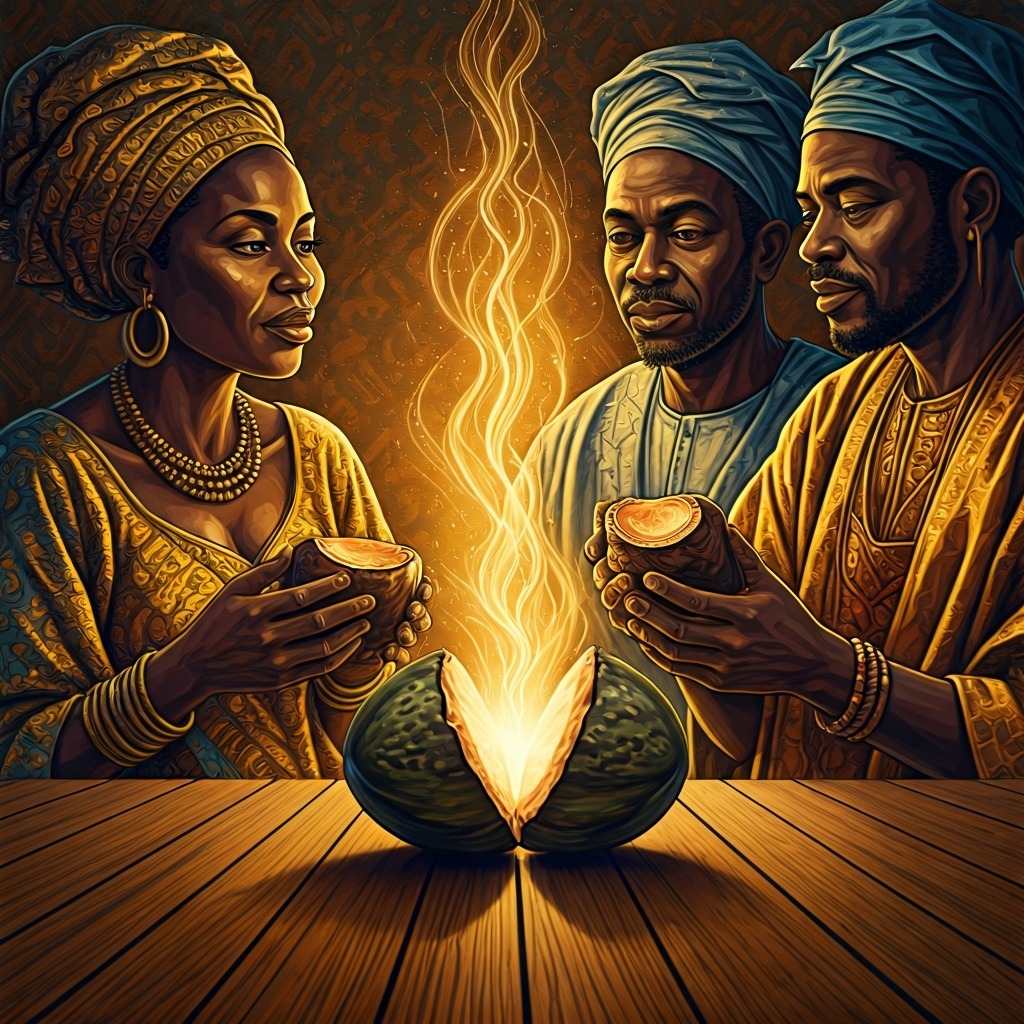
An ancient Igbo proverb states, “He who brings kola brings life.” It was never merely a snack; it was a sacred symbol. You didn’t just eat a kola nut; you shared it. Ritually broken during weddings, funerals, naming ceremonies, and to welcome esteemed guests, offering a kola nut was the ultimate extension of friendship and peace. But beneath its bitter exterior, this little seed harbored a potent secret—one that would soon make it the most coveted commodity on the continent.
The Currency of Desert Empires
What made this nut so irresistible? It was a biological powerhouse, packed with caffeine and theobromine. It acted as a potent stimulant, an appetite suppressant, and a digestive aid.
This unique chemical makeup altered the global economy. Because Islam prohibits the consumption of alcohol, the kola nut became highly prized among Muslim populations across West and North Africa as a culturally acceptable stimulant. Demand skyrocketed, transforming the sacred seed into a lucrative cash crop and a literal form of currency.
Extensive, perilous trans-Saharan trade networks were born. Massive camel caravans heavily laden with kola nuts trekked from the dense forest regions, across unforgiving savannahs, and over the scorching Sahara desert. The sheer economic force of this trade brought unimaginable wealth to legendary African superpowers, including the Mali and Songhai empires.
A Harrowing Voyage Across the Ocean
The kola nut’s journey across the globe, however, took a dark turn during the horrors of the transatlantic slave trade. As millions of enslaved Africans were forced onto ships bound for the Americas, they somehow managed to carry kola nuts with them into the nightmare of the Middle Passage.
In the New World, the nut became a vital tool for survival. Planted in foreign, blood-soaked soil, the seeds grew into trees that offered a stolen piece of home. Enslaved people used the nuts to purify stagnant water, suppress their gnawing hunger, and endure the grueling, back-breaking labor forced upon them. Even in the face of unimaginable cruelty, the kola nut retained its life-giving legacy, providing physical endurance and a spiritual tether to the continent they had been torn from.
The Birth of a Billion-Dollar Secret
By the late 19th century, whispers of this powerful African stimulant reached the ears of Western pharmacists obsessed with creating lucrative patent medicines.
Enter John Stith Pemberton, an American pharmacist with a knack for tinkering. In 1886, Pemberton took the caffeine-rich extract of the West African kola nut and combined it with coca leaf extract. He brewed a dark, sweet syrup marketed as a “brain tonic” and a cure-all.
That quirky pharmaceutical experiment evolved into Coca-Cola, arguably the most famous beverage on the planet. The sacred African seed had officially conquered the world.
The Spirit of the Seed Remains
Today, if you crack open a can of mass-produced cola, you won’t find the sacred seed inside. Modern beverage giants long ago swapped the authentic African nut for artificial flavorings and synthetic caffeine to cut costs and maximize profits.
But the story of the kola nut doesn’t end in a sterile soda factory. In West Africa today, the kola nut remains a vital, unshakeable cultural pillar. It hasn’t forgotten its roots. It is still broken, still shared, and still retains its ancient, revered status as a profound symbol of unity, hospitality, and spiritual connection.
The next time you hear the pop and fizz of a dark soda, remember the real history. Remember the rainforests, the camel caravans, the resilience of the enslaved, and the ancient empires built on the back of a tiny, bitter seed that brought life to whoever held it.