The Sound of a Witch’s Broom
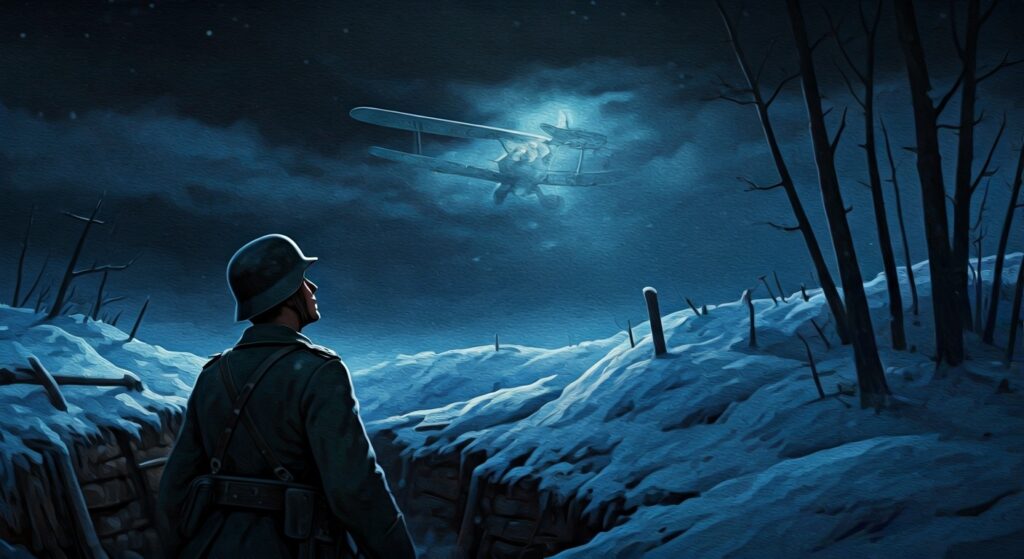
Picture this: It is the dead of winter on the Eastern Front during World War II. You are a German soldier huddled in a frozen trench, staring into a pitch-black sky. You hear absolutely nothing—no roaring engines, no radio chatter. Then, a soft, eerie whoosh slices through the air above you. It sounds exactly like the wind whistling through the bristles of a sweeping broomstick. Seconds later, the darkness explodes into fire and shrapnel.
You’ve just been visited by the Nachthexen.
If you think the covert espionage of the Cold War was wild, wait until you meet the women of the 588th Night Bomber Regiment. They were the only completely all-female unit in the Soviet Air Forces, a group of absolute underdogs who flipped the script on the most formidable military machine of the 20th century.
The “Soviet Amelia Earhart”
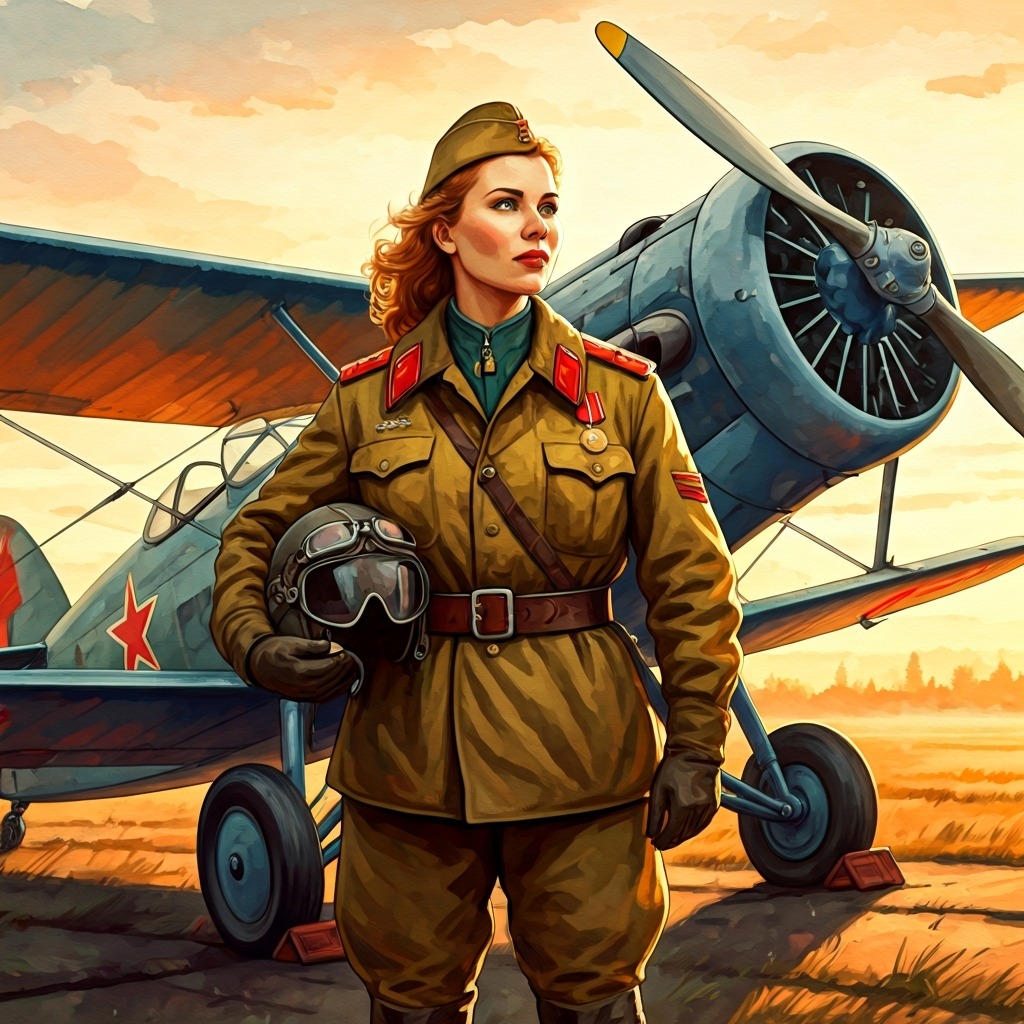
The mastermind behind this covert nightmare was Marina Raskova, a legendary aviator often dubbed the “Soviet Amelia Earhart.” In 1941, as Axis forces pushed relentlessly into Soviet territory, Raskova leveraged her personal connections with Joseph Stalin to authorize three all-female aviation units. While the other units eventually integrated men, the 588th remained exclusively female—from the pilots and navigators right down to the mechanics and ground crews.
But getting the green light was only the first hurdle. The systemic sexism these women faced from their male counterparts was staggering. Upon enlisting, they weren’t given custom gear. Instead, they were handed oversized, hand-me-down male uniforms. The women literally had to stuff their massive boots with torn bedding just to reach the aircraft pedals.
And the planes? They were an absolute joke to the rest of the military. The women were relegated to flying the Polikarpov Po-2, an obsolete, 1920s-era wooden biplane originally designed for crop-dusting and training. Constructed entirely of plywood and canvas, the planes were highly flammable and completely unarmored. They featured open cockpits that exposed the pilots to freezing rain, wind, and frostbite. They flew without radios, without radar, and—until 1944—without parachutes. They navigated the pitch-black skies using only a map, a compass, and a stopwatch.
Weaponizing Plywood and Canvas
Here is where the story turns into a tactical masterclass. The women of the 588th took these glaring weaknesses and turned them into terrifying advantages.
The Po-2 biplane was incredibly slow. In fact, its maximum speed was slower than the stall speed of the advanced German Messerschmitt fighters. This meant that if a German pilot tried to slow down enough to target a Night Witch, his own engine would stall and his plane would drop out of the sky. Furthermore, because the Soviet planes were made of wood and canvas rather than metal, they were virtually invisible to enemy radar. They were ghosts.
To maximize their stealth, the regiment flew exclusively under the cover of darkness. As they approached a German encampment, the pilots would cut their engines to idle and glide silently toward their targets. By the time the Germans heard that signature whoosh of wind through the canvas and wire struts, it was already too late. The psychological toll this took on the German forces was immense. The terrified soldiers coined the nickname Nachthexen—the Night Witches.
Feline Vision and the Iron Cross
The paranoia among the German ranks grew so intense that wild rumors began to spread. The Germans convinced themselves that the Soviet women were being given experimental pills to grant them feline night vision. To the Axis forces, it was the only logical explanation for how these women could navigate the dark so flawlessly in primitive crop-dusters.
The regiment became so despised—and so deeply feared—that the German high command issued a standing order: any German pilot who managed to shoot down a Night Witch would be automatically awarded the prestigious Iron Cross.
The Relentless Night
Because the tiny Po-2 could only carry two bombs at a time, the women had to fly multiple sorties in a single night to make any strategic impact. Their stamina was unbelievable. It was common for a single crew to fly 8 to 18 missions per night. They would drop their payloads, return to base, rearm, refuel, and take off again within minutes, all while dodging anti-aircraft fire and blinding searchlights.
Over the course of the war, the Night Witches flew over 30,000 missions, dropping more than 23,000 tons of bombs on German targets. Under the brilliant command of Yevdokiya Bershanskaya, the 588th became the most highly decorated female unit in the Soviet Air Force. By the end of the war, 23 of its members had been awarded the nation’s highest distinction: Hero of the Soviet Union.
They started as underdogs in stuffed boots and flammable crop-dusters, but the Night Witches flew straight into legend. They proved that with enough ingenuity and sheer willpower, even the most obsolete technology can become a weapon of absolute terror.