In the twilight of the Cold War, the ultimate geopolitical thriller didn’t revolve around stolen nuclear codes, secret dossiers, or double agents. It centered on a sugary, carbonated beverage. Imagine the scene: a high-stakes backroom negotiation where the currency on the table isn’t dollars, rubles, or gold, but a literal fleet of attack submarines. Forget the nuclear arms race for a moment. This is the surreal, rust-covered saga of the time an American soda company accidentally acquired a Soviet naval fleet.
A Sip of Capitalism Behind the Iron Curtain
The story begins in 1959 at the American National Exhibition in Moscow. The event is etched into history for the fiery “Kitchen Debate” between U.S. Vice President Richard Nixon and Soviet Premier Nikita Khrushchev. But lurking in the periphery of this diplomatic sparring match was Donald Kendall, an ambitious Pepsi executive who recognized an opportunity of a lifetime.
Seizing the moment, Kendall intervened to offer Khrushchev a taste of American capitalism: a cold cup of Pepsi. The Soviet leader drank it, the cameras flashed, and the resulting photograph became a global public relations triumph.
Fast forward to 1972. Kendall, now the CEO of PepsiCo, orchestrated a groundbreaking trade agreement that made Pepsi the first Western capitalist product to be mass-marketed within the Soviet Union. But there was a massive logistical hurdle. The Soviet ruble was a closed currency, completely worthless on the international market. Pepsi couldn’t simply repatriate Soviet cash back to the United States.
The solution was a masterclass in ancient economics: a barter system. Pepsi would provide the highly coveted soda syrup, and the USSR would pay them in Stolichnaya vodka, granting PepsiCo the exclusive rights to sell the premium spirit in the United States. For years, it was a highly lucrative match made in heaven.
When the Vodka Ran Dry
By the late 1980s, the Soviet Union was thoroughly hooked on the sugary American import, guzzling down roughly a billion servings of Pepsi a year across dozens of state-run bottling plants. But back in the United States, the market for Stolichnaya vodka had plateaued. The liquor shipments were no longer sufficient to cover the astronomical cost of Pepsi’s massive Soviet expansion.
The USSR was bleeding out economically, its infrastructure crumbling and its coffers empty. Yet, the government was absolutely desperate to keep the Pepsi flowing to its restless, increasingly disillusioned population. They needed a new asset to trade. It was here that the corporate arrangement mutated into something resembling the plot of a Cold War espionage novel.
The Corporate Armada
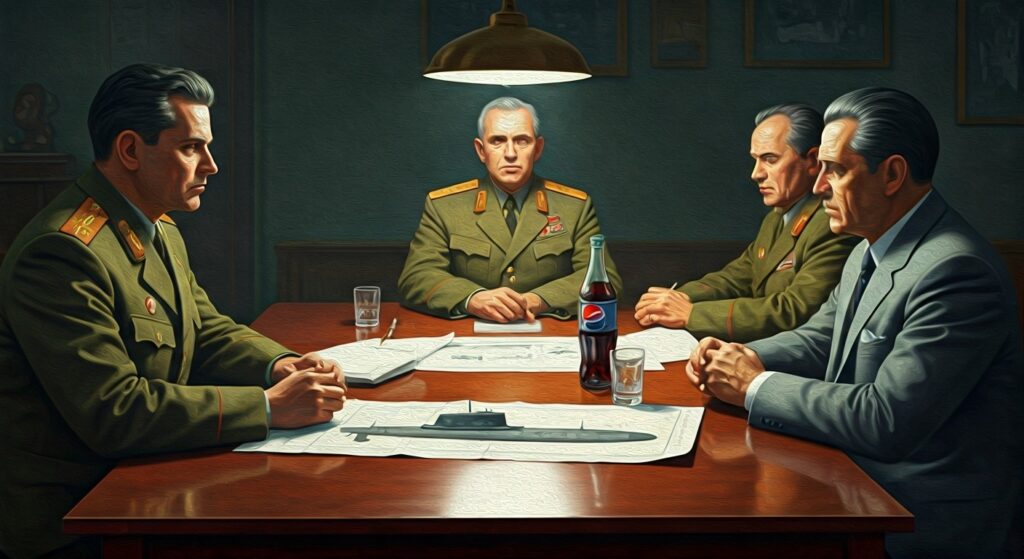
In 1989, an unprecedented and frankly mind-boggling agreement was struck. To pay off their mounting soda syrup debts, the Soviet government traded Pepsi a fleet of decommissioned Cold War naval vessels.
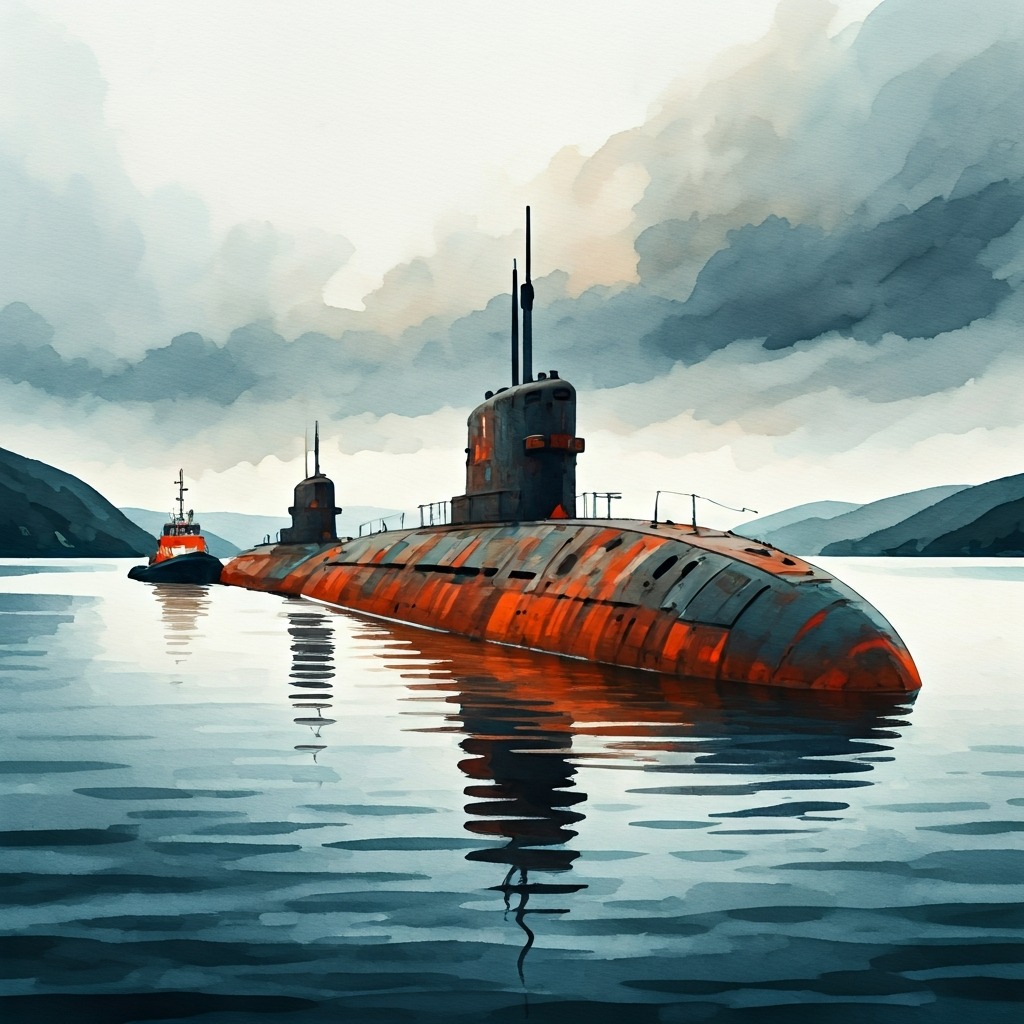
The historic barter included 17 obsolete diesel-electric submarines—mostly outdated “Whiskey-class” vessels—along with a cruiser, a frigate, and a destroyer.
Internet lore frequently sensationalizes this moment, claiming that “Pepsi briefly became the sixth-largest military power in the world.” While it makes for a fantastic myth, the reality was slightly less cinematic. The vessels were entirely unseaworthy, stripped of all military hardware, and were essentially just floating, rusting hulks. Pepsi didn’t suddenly command a functional underwater strike force. Instead, the soda giant acted as a corporate middleman, immediately transferring the ships to a Norwegian scrapyard to be dismantled and sold for their lucrative scrap metal value.
Still, the optics of a soft drink conglomerate buying a Soviet naval fleet were incredibly potent. Donald Kendall famously quipped to President George H.W. Bush’s National Security Advisor, Brent Scowcroft: “We’re disarming the Soviet Union faster than you are.”
The Mega-Deal That Shattered
Emboldened by the staggering success of the scrap metal trade, Pepsi and the USSR doubled down. In 1990, they signed a massively ambitious $3 billion agreement. This time, the Soviets would build commercial oil tankers and freighters, which PepsiCo would lease or sell internationally. In exchange, Pepsi would open dozens of new bottling plants and introduce the Soviet populace to the wonders of Pizza Hut.
But then came 1991.
The Soviet Union collapsed, splintering overnight into 15 independent nations. The timing was catastrophic for Pepsi. Their monolithic trading partner vanished into thin air, taking the mega-deal down with it.
Suddenly, the shipyards building Pepsi’s oil tankers were located in an independent Ukraine, which demanded its own cut of the profits. The plastic for the soda bottles was being manufactured in Belarus. The mozzarella for the new Pizza Huts came from Lithuania. Pepsi was forced to renegotiate piecemeal with a chaotic, hostile web of new post-Soviet republics.
The 1989 naval trade stands today as a brilliant, surreal illustration of the severe economic dysfunction of the late Soviet Union. It highlights the incredible lengths a crumbling superpower would go to pacify its people with consumer goods, and the sheer, ruthless ingenuity of multinational corporate barter. In the end, the Cold War wasn’t just won with weapons and diplomacy—it was won with syrup, scrap metal, and a relentless thirst for capitalism.